Wednesday, March 18, 2026
  • About us
    • Write for us
    • Disclaimer
    • Terms of use
    • Privacy Policy
  • RSS Feeds
  • Advertise with us
  • Contact us
DefenceTalk
  • Home
  • Defense News
    • Defense & Geopolitics News
    • War Conflicts News
    • Army News
    • Air Force News
    • Navy News
    • Missiles Systems News
    • Nuclear Weapons
    • Defense Technology
    • Cybersecurity News
  • Military Photos
  • Defense Forum
  • Military Videos
  • Military Weapon Systems
    • Weapon Systems
    • Reports
No Result
View All Result
  • Home
  • Defense News
    • Defense & Geopolitics News
    • War Conflicts News
    • Army News
    • Air Force News
    • Navy News
    • Missiles Systems News
    • Nuclear Weapons
    • Defense Technology
    • Cybersecurity News
  • Military Photos
  • Defense Forum
  • Military Videos
  • Military Weapon Systems
    • Weapon Systems
    • Reports
No Result
View All Result
DefenceTalk
No Result
View All Result
Home Defence & Military News Army News

Autonomous vehicle technology may improve safety for US Army convoys

by RAND
February 13, 2020
in Army News
2 min read
0
Autonomous vehicle technology may improve safety for US Army convoys

Oshkosh PLS (Palletized Loader System) trucks equipped with Leader-Follower autonomy systems.

5
SHARES
14
VIEWS

U.S. Army convoys could be made safer for soldiers by implementing autonomous vehicle technology to reduce the number of service members needed to operate the vehicles, according to a new study from the RAND Corporation.

“The Army is interested in autonomous technology because if they can reduce the number of soldiers needed to run a convoy, they can keep soldiers safe,” said Shawn McKay, lead author of the study and a senior engineer with RAND, a nonprofit research organization.

McKay and his colleagues examined three different autonomous vehicle concepts: the fully autonomous employment concept, where all the vehicles are unmanned; the partially unmanned employment concept, featuring a lead truck with soldiers followed by unmanned vehicles in a convoy; and minimally manned, a “bridging” concept featuring a soldier in the driver’s seat of each of the follower trucks to monitor the automated system and driving environment.

A minimally manned Army convoy put 28 percent fewer soldiers at risk compared to current practices. A partially unmanned convoy would put 37 percent fewer soldiers at risk, and a fully autonomous convoy would put 78 percent fewer soldiers at risk.

The technology to make an Army convoy fully autonomous doesn’t exist yet. McKay said part of the challenge for the Army is that current automated technology is still limited and has mainly been tested in settings with well-manicured infrastructure, including standardized road markings and signs.
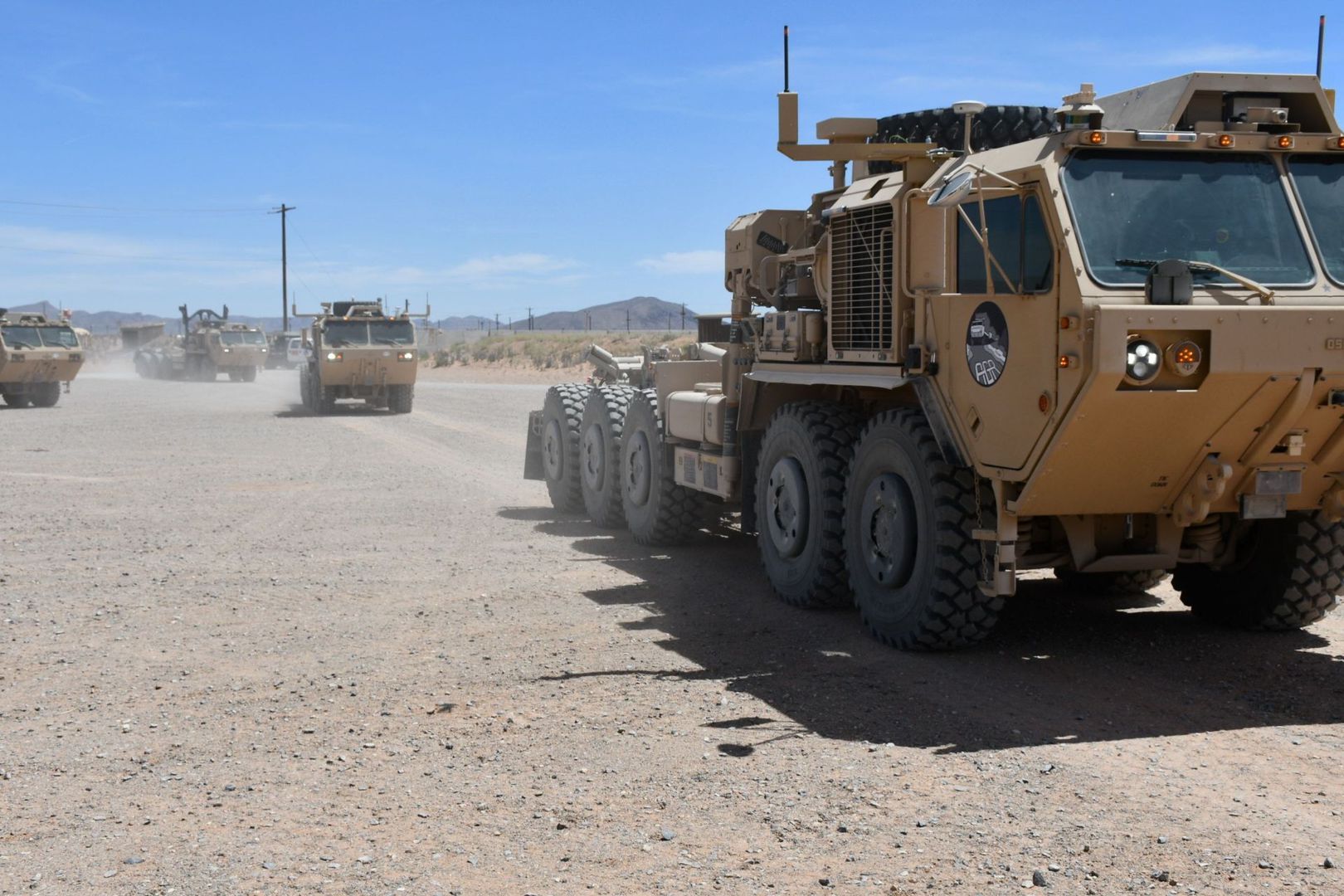
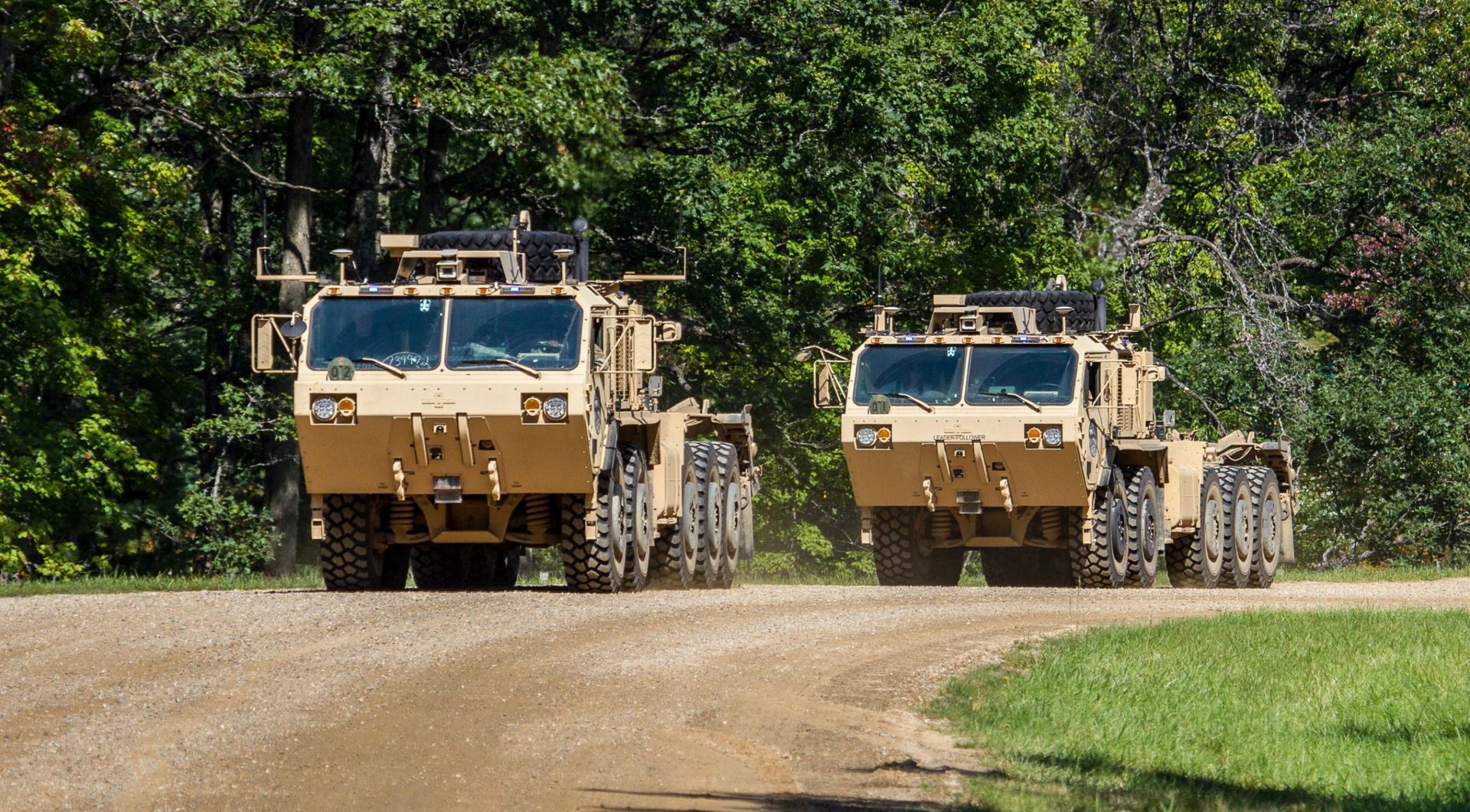
Oshkosh PLS (Palletized Loader System) trucks equipped with Leader-Follower autonomy systems.

“We’re looking at a combat environment – it’s very complex,” McKay said. “An Army convoy could be operating in a Third World environment where road markings and road conditions are very poor, there’s open terrain, there’s herds of animals, and you’re under combat situations.”

“With current technology, human ‘operators’ are still required to monitor the driving environment and regain control when the autonomous systems are unable to handle the situation. When you have a convoy of several vehicles driving autonomously and one halts due to an obstacle the autonomous system cannot handle, you have a situation where the convoy becomes vulnerable. The bridging concept mitigates this risk while still reducing soldier risk.”

Partially unmanned technology won’t be available for highway driving for several more years, but minimally manned is currently ready for Army adaptation and deployment in urban and highway environments, McKay said.

The study recommends the Army implement the minimally manned concept as a necessary bridging strategy to achieve the partially unmanned capability. The Army also should develop clear and practical technical requirements to reduce key development risks, such as from cyberattack.

Pressure to leverage automated trucks to reduce the number of soldiers at risk may build before the Army has worked out all the problems with these systems so the Army will need to prepare accurate assessments of system readiness and the risks associated with implementation before the Army is ready.

Read Full Report: Automating Army Convoys: Technical and Tactical Risks and Opportunities (174 downloads)
Tags: Autonomous vehiclesself drivingself-driving carsus army
Previous Post

US Navy Accepts Delivery of Future USS Kansas City (LCS 22)

Next Post

USS Normandy Seizes Illegal Weapons in Arabian Sea

Related Posts

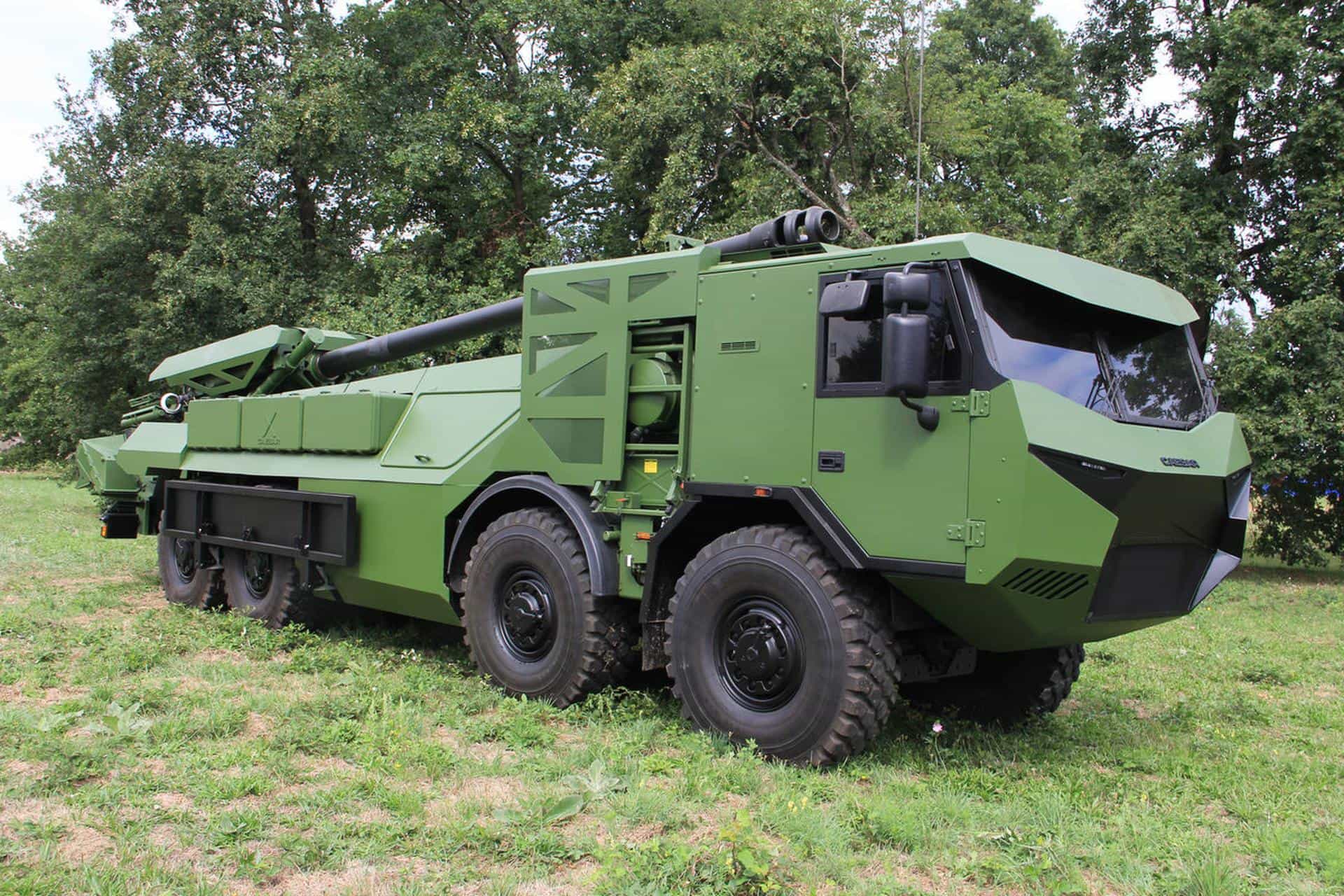
Indonesia Orders Additional CAESAR Artillery Systems

France to send more mobile artillery to Ukraine

February 1, 2023

France will ship 12 more Caesar truck-mounted howitzers and fresh air defence equipment to Ukraine to bolster the fight against...

Leopard tanks to arrive in Ukraine around late March: Germany

Leopard tanks to arrive in Ukraine around late March: Germany

January 27, 2023

Leopard tanks pledged by Germany to help Ukraine repel Russia's invasion will arrive in "late March, early April", Defence Minister...

Next Post
USS Normandy Seizes Illegal Weapons in Arabian Sea

USS Normandy Seizes Illegal Weapons in Arabian Sea

Latest Defense News

US needs top cyber coordinator, better hacker ‘deterrence’

‘Digital fog of war’ around Iranian cyberattacks

March 13, 2026
US military says aircraft crash in Iraq killed 4 crew members

US military says aircraft crash in Iraq killed 4 crew members

March 13, 2026
Northrop Grumman moves to boost B-21 Raider output

Northrop Grumman moves to boost B-21 Raider output

March 13, 2026
US Navy evacuates virus-struck aircraft carrier Roosevelt

US military ‘not ready’ to escort tankers through Hormuz Strait

March 12, 2026
Israel cancels leave for combat units after Iran consulate strike

US says Iran campaign cost $11 billion in six days

March 12, 2026
US moves closer to retaliation over hacking as cyber woes grow

Cyberattack Disrupts Operations at MedTech Giant Stryker

March 11, 2026

Defense Forum Discussions

  • F-35 Program - General Discussion
  • Middle East Defence & Security
  • The Russian-Ukrainian War Thread
  • Royal New Zealand Navy Discussions and Updates
  • Royal Australian Navy Discussions and Updates 2.0
  • New Zealand Army
  • Indonesian Aero News
  • Indonesia: 'green water navy'
  • Japan Air Self-Defence Force
  • Royal Australian Air Force [RAAF] News, Discussions and Updates
DefenceTalk

© 2003-2020 DefenceTalk.com

Navigate Site

  • Defence Forum
  • Military Photos
  • RSS Feeds
  • About us
  • Advertise with us
  • Contact us

Follow Us

No Result
View All Result
  • Home
  • Defense News
    • Defense & Geopolitics News
    • War Conflicts News
    • Army News
    • Air Force News
    • Navy News
    • Missiles Systems News
    • Nuclear Weapons
    • Defense Technology
    • Cybersecurity News
  • Military Photos
  • Defense Forum
  • Military Videos
  • Military Weapon Systems
    • Weapon Systems
    • Reports

© 2003-2020 DefenceTalk.com