Sunday, March 29, 2026
  • About us
    • Write for us
    • Disclaimer
    • Terms of use
    • Privacy Policy
  • RSS Feeds
  • Advertise with us
  • Contact us
DefenceTalk
  • Home
  • Defense News
    • Defense & Geopolitics News
    • War Conflicts News
    • Army News
    • Air Force News
    • Navy News
    • Missiles Systems News
    • Nuclear Weapons
    • Defense Technology
    • Cybersecurity News
  • Military Photos
  • Defense Forum
  • Military Videos
  • Military Weapon Systems
    • Weapon Systems
    • Reports
No Result
View All Result
  • Home
  • Defense News
    • Defense & Geopolitics News
    • War Conflicts News
    • Army News
    • Air Force News
    • Navy News
    • Missiles Systems News
    • Nuclear Weapons
    • Defense Technology
    • Cybersecurity News
  • Military Photos
  • Defense Forum
  • Military Videos
  • Military Weapon Systems
    • Weapon Systems
    • Reports
No Result
View All Result
DefenceTalk
No Result
View All Result
Home Defence & Military News Army News

Military’s Bioenvironmental Engineers Keep Base Buzzing

by AirForcePrintNews
April 20, 2009
in Army News
2 min read
0
14
VIEWS

SOUTHWEST ASIA: The “BEEs” here aren’t as concerned with honey as they are the chemicals which could potentially be found on base.

While the 379th Medical Group bioenvironmental engineering, or BEE, flight is responsible for many things, their primary concern here is the base water supply.

“In the deployed environment, ensuring the safety of water is our number one priority,” said Capt. Chunil Paeng, the base bioenvironmental engineer, who is deployed from Beale Air Force Base, Calif. “Food borne and water borne illness is devastating for wartime mission requirements. We can’t have our Airmen getting sick because they won’t be able to carry out their missions.”

The bioenvironmental engineering flight has identified 20 critical sites around the base that are tested on a regular basis for chlorine and pH levels as well as bacteriological samples. The shop also has the ability to test for poisonous metals such as lead and mercury.

In addition to the water that is pumped on base, the flight also tests water from pallets of water entering the base daily, said Senior Airman George Maceachern, the bioenvironmental engineering technician who is in charge of the water sampling program.

“To test the water, we take a water sample and add a metabolizer that will promote bacterial growth,” said Airman Maceachern, who is a Plymouth, Mass., native deployed from Grand Forks AFB, N.D. “After 24 hours incubation period, if the water turns yellow, then we have bacterial contamination.”

One of the biggest achievements the bioenvironmental engineering flight has had recently within the water program comes from taps in coalition compound, which have been being tested and declared potable.

“In order for the water to be considered potable, it has to be put through a full spectrum analysis,” Captain Paeng said. “The analysis tests for the same 164 chemicals that are checked in the U.S. We are concerned with people’s health, but we also want to make sure the base meets all regulations set out by the Safe Drinking Water Act, which is enforced by the EPA.”

Base leaders said even though the water here is now considered potable, bottled water will continue to be delivered since all residents don’t have plumbing running into their rooms. The only difference will be eating establishments will be able to use plumbing run directly to their buildings for cooking, rather than using delivered water.

While the water program is important here, the flight also carries out all the other functions normally completed by bioenvironmental engineering flights at home stations.

The respirator protection program ensures respirators and other personal protective equipment suit the hazards they will be used in. The flight oversees the laser and radioactive materials program, as well as the occupational site assessment program, which ensures work sites handling or using hazardous materials are doing so safely and properly.

One of the most well known jobs done by bioenvironmental engineering though is acting as an emergency responder at an accident scene.

“If there is a spill or an airplane crash, we will suit up and go out there to take samples and analyze,” said Senior Airman Andrew Kim, a bioenvironmental engineering technician deployed from Kessler Air Force Base, Miss. “We then offer the commander the best recommendation based on the situation. Detect, quantify, recommend … is the motto.”

“The overall focus of our work is preventative medicine,” said Captain Paeng. “What we do minimizes illness, so our warfighters stay healthy to complete the mission.”
Tags: engineeringenvironmenthealthwater
Previous Post

Marines in Huge Exercise Off Turkish Coast

Next Post

TacSat-3 to demonstrate rapid delivery of imagery

Related Posts

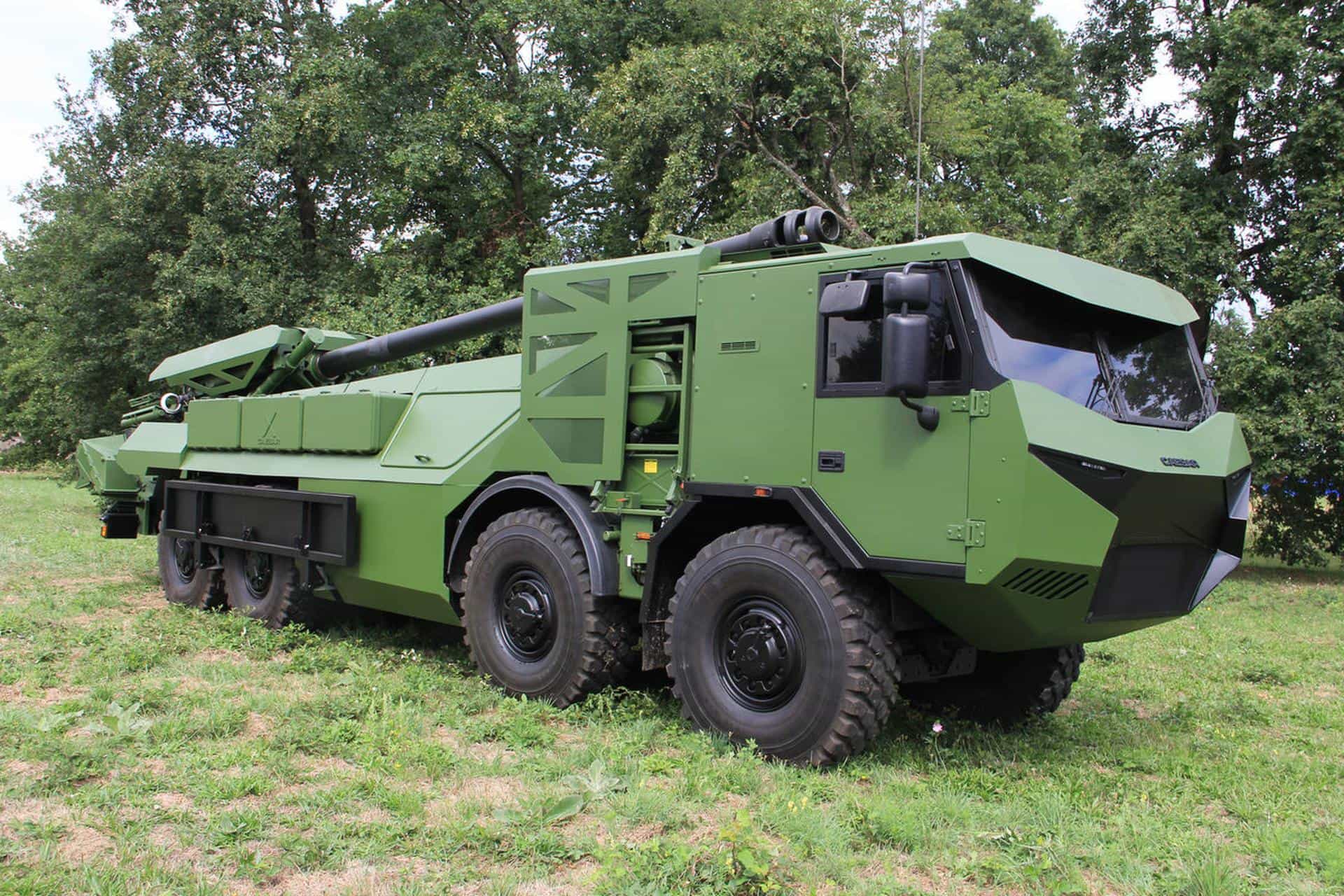
Indonesia Orders Additional CAESAR Artillery Systems

France to send more mobile artillery to Ukraine

February 1, 2023

France will ship 12 more Caesar truck-mounted howitzers and fresh air defence equipment to Ukraine to bolster the fight against...

Leopard tanks to arrive in Ukraine around late March: Germany

Leopard tanks to arrive in Ukraine around late March: Germany

January 27, 2023

Leopard tanks pledged by Germany to help Ukraine repel Russia's invasion will arrive in "late March, early April", Defence Minister...

Next Post

TacSat-3 to demonstrate rapid delivery of imagery

Latest Defense News

US needs top cyber coordinator, better hacker ‘deterrence’

‘Digital fog of war’ around Iranian cyberattacks

March 13, 2026
US military says aircraft crash in Iraq killed 4 crew members

US military says aircraft crash in Iraq killed 4 crew members

March 13, 2026
Northrop Grumman moves to boost B-21 Raider output

Northrop Grumman moves to boost B-21 Raider output

March 13, 2026
US Navy evacuates virus-struck aircraft carrier Roosevelt

US military ‘not ready’ to escort tankers through Hormuz Strait

March 12, 2026
Israel cancels leave for combat units after Iran consulate strike

US says Iran campaign cost $11 billion in six days

March 12, 2026
US moves closer to retaliation over hacking as cyber woes grow

Cyberattack Disrupts Operations at MedTech Giant Stryker

March 11, 2026

Defense Forum Discussions

  • ADF General discussion thread
  • Indonesian Aero News
  • Middle East Defence & Security
  • Royal Australian Navy Discussions and Updates 2.0
  • The Russian-Ukrainian War Thread
  • Russia - General Discussion.
  • NZDF General discussion thread
  • Australian Army Discussions and Updates
  • AUKUS
  • Royal Australian Air Force [RAAF] News, Discussions and Updates
DefenceTalk

© 2003-2020 DefenceTalk.com

Navigate Site

  • Defence Forum
  • Military Photos
  • RSS Feeds
  • About us
  • Advertise with us
  • Contact us

Follow Us

No Result
View All Result
  • Home
  • Defense News
    • Defense & Geopolitics News
    • War Conflicts News
    • Army News
    • Air Force News
    • Navy News
    • Missiles Systems News
    • Nuclear Weapons
    • Defense Technology
    • Cybersecurity News
  • Military Photos
  • Defense Forum
  • Military Videos
  • Military Weapon Systems
    • Weapon Systems
    • Reports

© 2003-2020 DefenceTalk.com