Speaking to a Senate panel about the effects of sequestration on the national security environment, the director of national intelligence said today that he’s “seen this movie before.”
During a Senate Armed Services Committee hearing on current and future worldwide threats, James R. Clapper said he served through the last round of budget cuts 20 years ago.
“And we were then enjoined to reap the peace dividend occasioned by the end of the Cold War,” he said. “We reduced the intelligence community by about 23 percent. During the mid and late ’90s, we closed many CIA stations, reduced [human intelligence] collectors, cut analysts, allowed our overhead architecture to atrophy, neglected basic infrastructure needs such as power, space and cooling, and let our facilities decay. And most damagingly, we badly distorted the workforce.”
The intelligence community has spent the last decade rebuilding, Clapper said, but, with sequestration, another damaging downward spiral looms.
“Sequestration forces the intelligence community to reduce all intelligence activities and functions without regard to impact on our mission,” the nation’s senior intelligence officersaid, adding that the cuts jeopardize the nation’s safety and security, and that the jeopardy will increase over time.
“Unlike more directly observable sequestration impacts like shorter hours at the parks or longer security lines at airports,” he said, “the degradation to intelligence will be insidious. It will be gradual and almost invisible until, of course, we have an intelligence failure.”
In his 50 years of intelligence experience, Clapper told the senators, the country has never “confronted a more diverse array of threats, crises and challenges around the world.”
This makes the mandatory budget cuts imposed by sequestration “incongruous,” he added.
The world is changing, Clapper said, and the threat environment along with it. “Threats are more interconnected and viral,” he said. “Events which, at first blush, seem local and irrelevant can quickly set off transnational disruptions that affect U.S. national interests.”
Threats in the cyber realm can come from both state and nonstate actors, he said, and their danger to global security “cannot be overstated.”
Climate, disease and competition for natural resources have huge national security implications, Clapper said
“Many countries important to U.S. interests are living with extreme water and food stress that can destabilize governments, force human migrations and trigger conflicts,” he said.
And while al-Qaida and the potential for a massive coordinated attack on the United States may be diminished, he said, the jihadist movement is now more diffuse and still determined to attack.
The rise of new governments and ongoing unrest in the Arab world creates openings for extremists, Clapper told the senators. Opportunistic individuals and groups can take advantage of diminished counterterrorism capabilities, porous borders, easy availability of weapons and internal stresses, he explained.
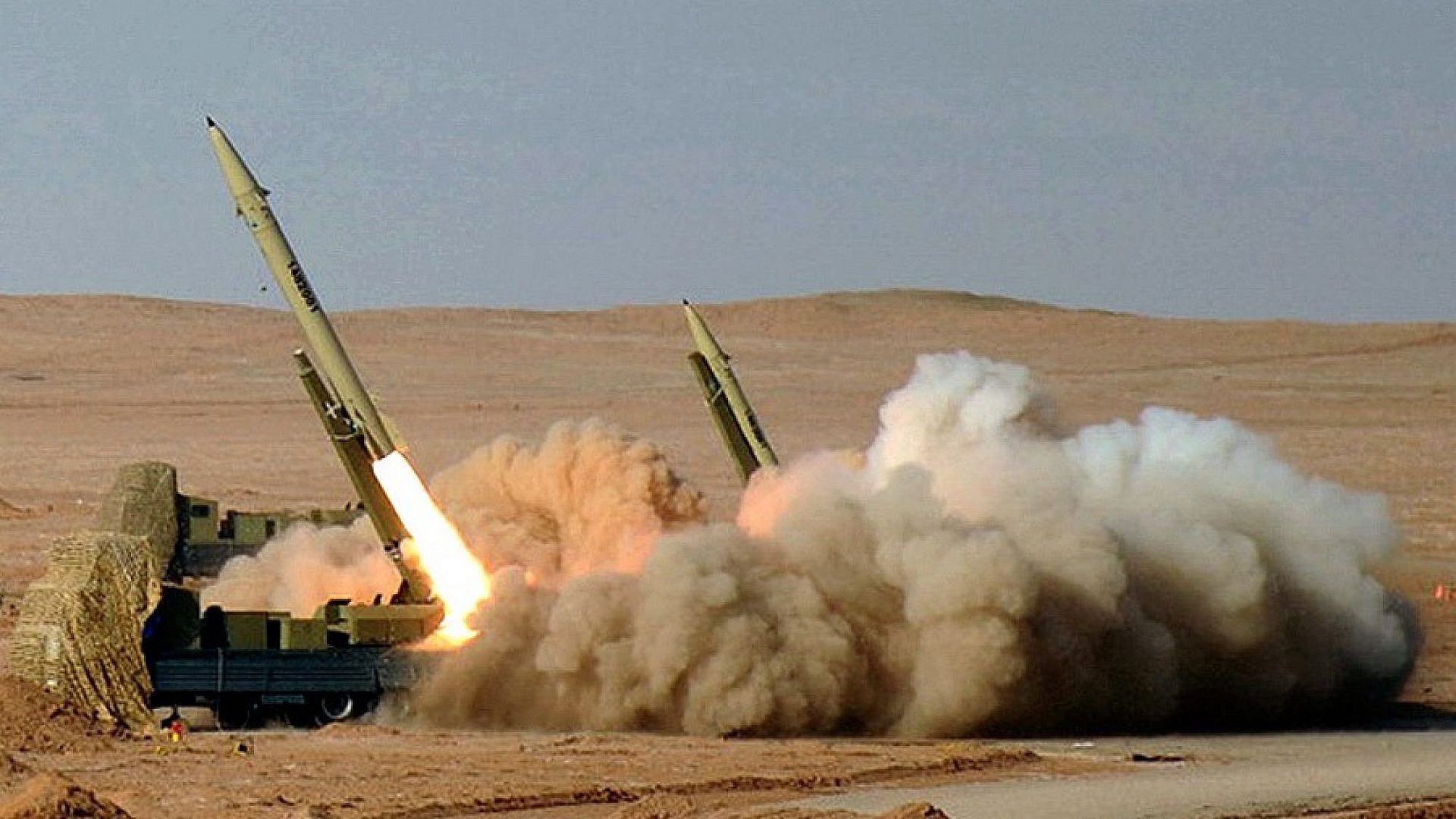
In Iran, the technical expertise to enrich uranium and build nuclear reactors and ballistic missiles continues to develop, Clapper said. Tehran has the scientific, technical and industrial capability to build missile-deliverable nuclear weapons, he continued, but the central question is whether it has the political will to do so.
“Such a decision, we believe, will be made by the [Iranian government’s] supreme leader, and at this point we don’t know if he’ll eventually decide to build nuclear weapons,” Clapper said.
“The increasingly beleaguered [Syrian] regime, having found that its escalation of violence through conventional means is not working, appears quite willing to use chemical weapons against its own people,” he said. “We receive many claims of chemical warfare use in Syria each day and we take them all seriously, and we do all we can to investigate them.”
Countries throughout the Middle East and North Africa are experiencing violence and political turmoil, he said, leading to civilian casualties and economic dislocation. Some 3.6 million Syrians have been displaced, and an additional 1.3 million have fled the country, Clapper said, noting that the refugee flow is placing pressure on neighboring countries.
“Moving to Asia, the Taliban-led insurgency has diminished in some areas of Afghanistan but is still resilient and capable of challenging U.S. international goals,” he said. “The coalition drawdown will have an impact on Afghanistan’s economy, which is likely to decline after 2014.”
And in Pakistan, which faces no real prospects for sustainable economic growth, Clapper said, “the government has not instituted much-needed policy and tax reforms.” On a more positive note, he continued, the Pakistani military continues its efforts to eliminate the al-Qaida and Taliban safe havens in the federally administered tribal areas.
China continues to supplement its military capabilities by strengthening its maritime law enforcement efforts in support of its claims in the South and East China Seas, he said.
“Closer to home,” Clapper continued, “despite positive trends toward democracy and economic development, Latin America and the Caribbean contend with weak institutions, slow recovery from devastating natural disasters and drug-related violence and trafficking.”
The intelligence director concluded his testimony by repeating his warning about sequestration spending cuts.
“So in sum, given the magnitude and complexity of our global responsibilities, insightful, persistent and comprehensive intelligence, at least in my mind, has never been more important or more urgent,” he said. “So I have trouble reconciling this imperative with sequestration.”