Friday, April 3, 2026
  • About us
    • Write for us
    • Disclaimer
    • Terms of use
    • Privacy Policy
  • RSS Feeds
  • Advertise with us
  • Contact us
DefenceTalk
  • Home
  • Defense News
    • Defense & Geopolitics News
    • War Conflicts News
    • Army News
    • Air Force News
    • Navy News
    • Missiles Systems News
    • Nuclear Weapons
    • Defense Technology
    • Cybersecurity News
  • Military Photos
  • Defense Forum
  • Military Videos
  • Military Weapon Systems
    • Weapon Systems
    • Reports
No Result
View All Result
  • Home
  • Defense News
    • Defense & Geopolitics News
    • War Conflicts News
    • Army News
    • Air Force News
    • Navy News
    • Missiles Systems News
    • Nuclear Weapons
    • Defense Technology
    • Cybersecurity News
  • Military Photos
  • Defense Forum
  • Military Videos
  • Military Weapon Systems
    • Weapon Systems
    • Reports
No Result
View All Result
DefenceTalk
No Result
View All Result
Home Defence & Military News Army News

New devices keep Army communications safe

by Army News Service
August 12, 2013
in Army News
3 min read
0
New devices keep Army communications safe
14
VIEWS

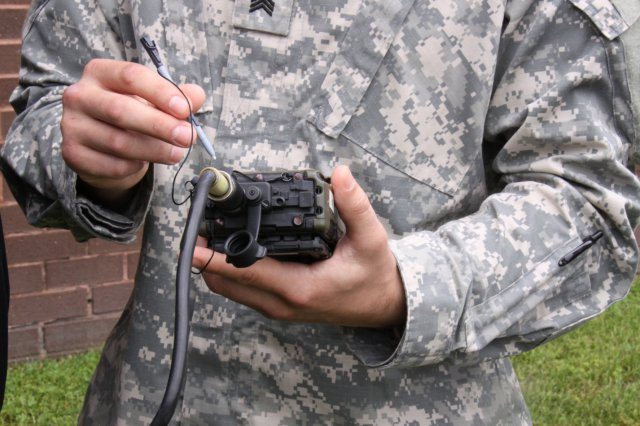
Project Director, Communications Security is moving closer to fielding a new handheld device which will be used to deliver electronic keys to secure the Army’s phone, radio, computer and satellite networks.

The Next Generation Load Device-Small, or NGLD-Small, comes with a new digital display on the front and is smaller than previous devices used for encryption, but still gives the same security protection as larger devices. It replaces older models that were no longer able to handle the Army’s encryption key delivery requirements.

“The NGLD are a family of devices, with a small, medium and large version,” said Aaron Clayton, the Tier 3 Fill Devices project leader at Project Director, Communications Security, or PD COMSEC, which is assigned to the Army Program Executive Office for Command, Control, Communications-Tactical, or PEO C3T. “Those don’t relate to their physical size but their capabilities. The NGLD-Small in particular is targeted to replace a legacy device that Soldiers currently use. The legacy device doesn’t have the security features that we would like to see today like the NGLD-Small can provide.”

The NGLD devices are used to receive, store, manage and export electronic keys that are used for cryptography. The keys are loaded into communications devices such as radios and satellite terminals to secure networks.

When building or procuring a new device such as an NGLD-Small, PD COMSEC must account for many factors because of the secure information involved.

“These devices are certified by the National Security Agency (NSA) to be able to handle and store electronic keys classified up to the Top Secret level,” Clayton said. “We work very closely with the NSA to make sure what we’re doing is in sync with their security requirements.”

PD COMSEC also has to ensure the devices can stand up to the wear and tear put on them by Soldiers during a deployment. To ensure that the devices can meet the vigorous environmental requirements, the PD COMSEC team took several samples of potential NGLD-Small devices to the Network Integration Evaluation, or NIE, at Fort Bliss, Texas, and White Sands Missile Range, N.M., where troops conduct realistic mission threads in order to evaluate communications equipment in an operational environment.

“We took approximately 10 of each device with us and they all came back with the paint worn off and all scratched up, but they still worked,” Clayton said.

At first, Soldiers appeared reluctant to use the new device over the larger, yet more familiar, Simple Key Loader, or SKL, they had used previously. Those devices were able to provide the security required, but were larger, and at times more cumbersome than the NGLD-Small.

“We had trainers come in with the different devices and teach the Soldiers how to use them,” said Stan Scofield, PD COMSEC special projects officer for the PEO C3T Technical Management Division. “It didn’t take very long to get them up and running on the new devices. Once they learned how to use them and got to see some of the upgrades, they didn’t want to give them back.”

While the Soldiers were happy with the new devices, there is still potential for improvement that PD COMSEC will recommend to manufacturers. These improvements will ensure that Soldiers have every advantage possible while securing military networks in hostile environments.

“We got a lot of feedback and found some shortcomings in the new devices,” Clayton said. “We’re making suggestions for enhancements to the device so they will meet Army requirements. We want to make sure they can completely load, interface and configure the new Army software defined radios.”

Clayton said he believed the new devices should be field ready by the end of the year.
Tags: Army & Security Forces Newscommunicationssecurity
Previous Post

First ANG bomb wing certified for nuclear operations

Next Post

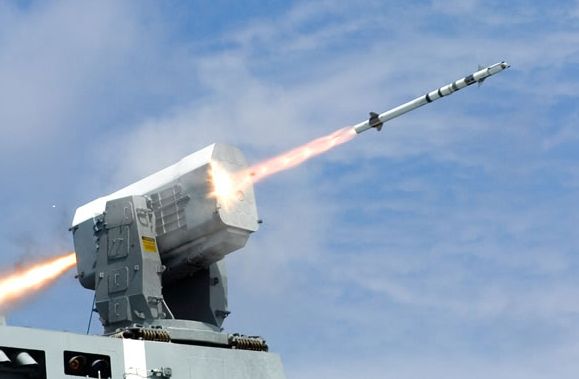
Rolling Airframe Missile Block 2 completes initial fleet firing

Related Posts

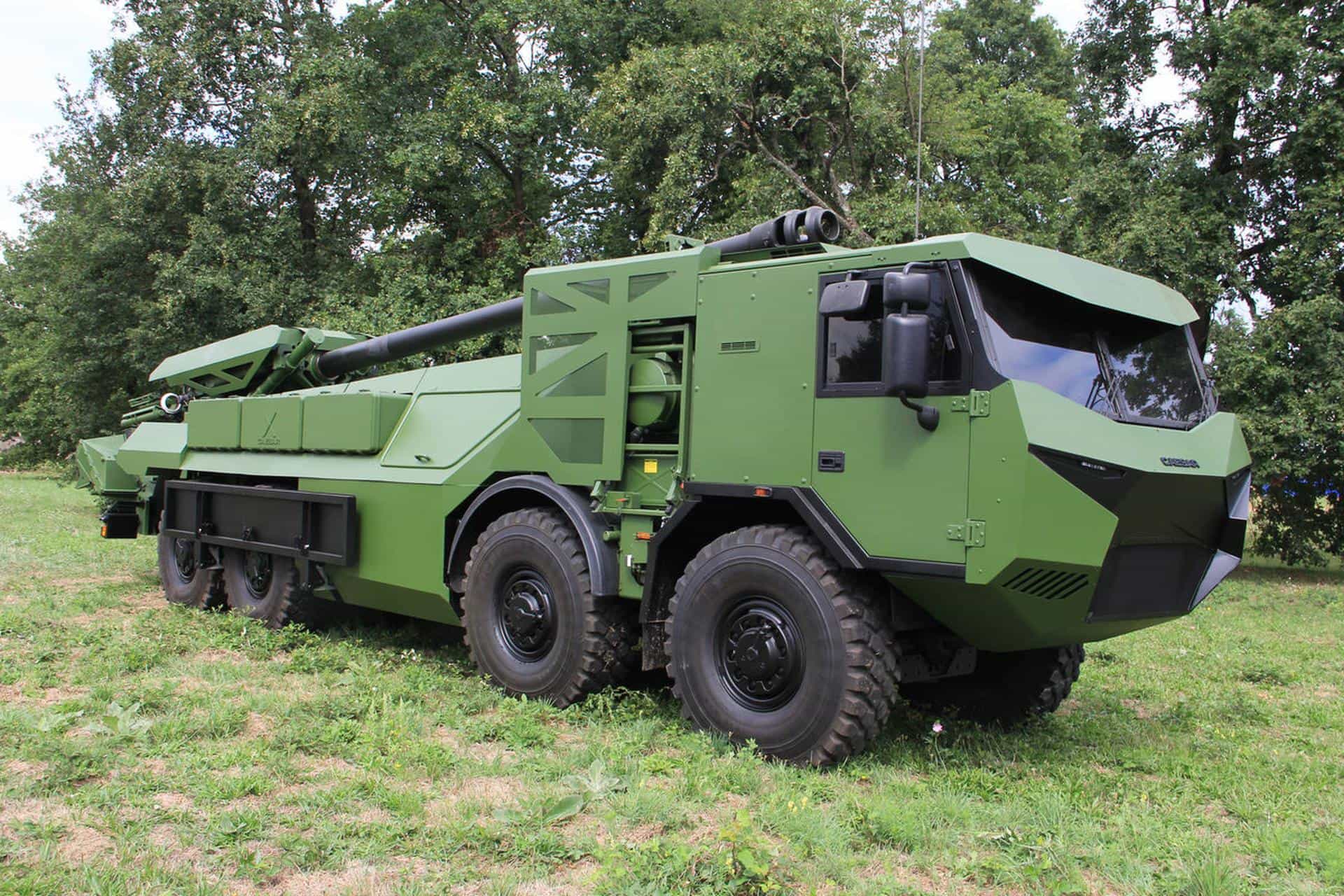
Indonesia Orders Additional CAESAR Artillery Systems

France to send more mobile artillery to Ukraine

February 1, 2023

France will ship 12 more Caesar truck-mounted howitzers and fresh air defence equipment to Ukraine to bolster the fight against...

Leopard tanks to arrive in Ukraine around late March: Germany

Leopard tanks to arrive in Ukraine around late March: Germany

January 27, 2023

Leopard tanks pledged by Germany to help Ukraine repel Russia's invasion will arrive in "late March, early April", Defence Minister...

Next Post
Raytheon’s RAM Strikes Twice During Back-to-Back Tests

Rolling Airframe Missile Block 2 completes initial fleet firing

Latest Defense News

US needs top cyber coordinator, better hacker ‘deterrence’

‘Digital fog of war’ around Iranian cyberattacks

March 13, 2026
US military says aircraft crash in Iraq killed 4 crew members

US military says aircraft crash in Iraq killed 4 crew members

March 13, 2026
Northrop Grumman moves to boost B-21 Raider output

Northrop Grumman moves to boost B-21 Raider output

March 13, 2026
US Navy evacuates virus-struck aircraft carrier Roosevelt

US military ‘not ready’ to escort tankers through Hormuz Strait

March 12, 2026
Israel cancels leave for combat units after Iran consulate strike

US says Iran campaign cost $11 billion in six days

March 12, 2026
US moves closer to retaliation over hacking as cyber woes grow

Cyberattack Disrupts Operations at MedTech Giant Stryker

March 11, 2026

Defense Forum Discussions

  • Middle East Defence & Security
  • Royal Australian Navy Discussions and Updates 2.0
  • NZDF General discussion thread
  • Royal Canadian Navy Discussions and updates
  • The Russian-Ukrainian War Thread
  • Australian Army Discussions and Updates
  • Manned Lunar Missions
  • Indonesia: 'green water navy'
  • Indonesian Aero News
  • ADF General discussion thread
DefenceTalk

© 2003-2020 DefenceTalk.com

Navigate Site

  • Defence Forum
  • Military Photos
  • RSS Feeds
  • About us
  • Advertise with us
  • Contact us

Follow Us

No Result
View All Result
  • Home
  • Defense News
    • Defense & Geopolitics News
    • War Conflicts News
    • Army News
    • Air Force News
    • Navy News
    • Missiles Systems News
    • Nuclear Weapons
    • Defense Technology
    • Cybersecurity News
  • Military Photos
  • Defense Forum
  • Military Videos
  • Military Weapon Systems
    • Weapon Systems
    • Reports

© 2003-2020 DefenceTalk.com