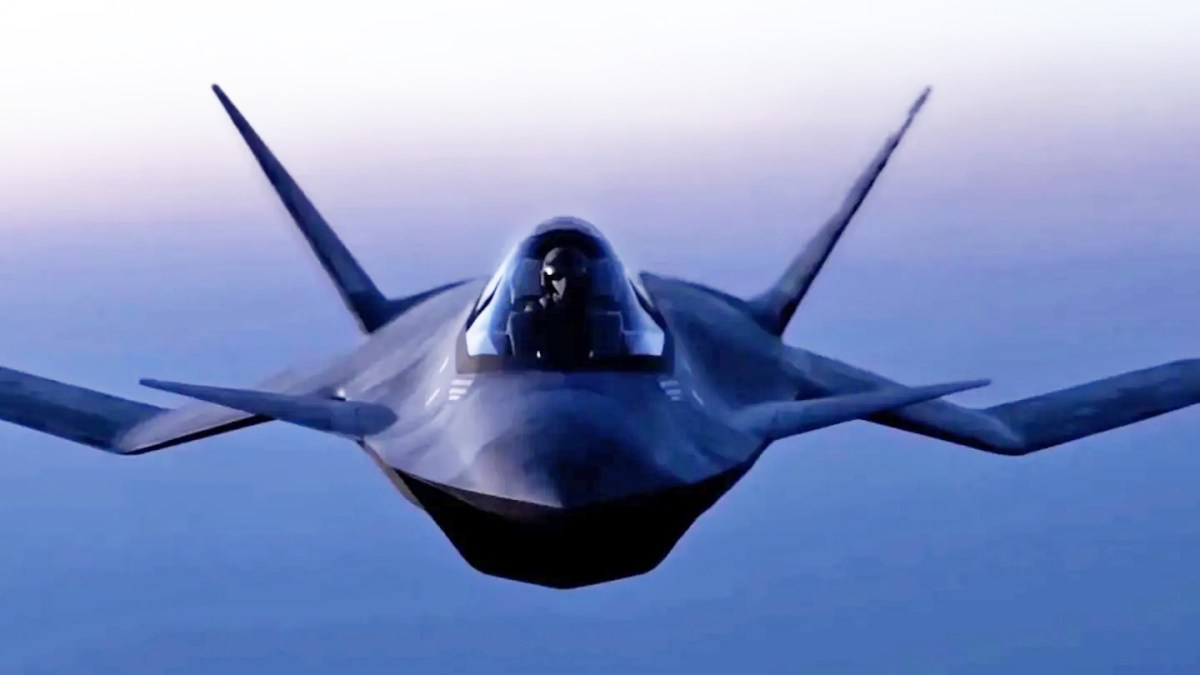
Perun has well researched and grounded videos and he did a piece on this topic:
A summary (AI generated)
This video from defense analyst Perun breaks down the dramatic collapse of the
Future Combat Air System (FCAS / SCAF)—Europe's only solely continental 6th-generation fighter program—and analyzes the wider implications for the global stealth fighter race [
01:20].
Here is a summary of the key takeaways from the video:
1. Why the FCAS Program Collapsed
Launched in 2017 by France and Germany (with Spain joining in 2019), the program officially dissolved its manned fighter component after nearly a decade of effort [
00:32,
01:20]. It stepped on two fatal landmines:
- Irreconcilable Requirements: France absolutely required a nuclear-capable, relatively lightweight aircraft that could launch from aircraft carriers [16:02]. Germany wanted a heavy, land-based continental air superiority fighter [16:25]. A proposed "two-fighter solution" failed to gain traction [18:26].
- Industrial Trench Warfare: The corporate primes (Dassault for France, Airbus for Germany) treated workshares and intellectual property as a zero-sum game [19:55]. Dassault insisted on absolute managerial control to avoid "design by committee," while Airbus argued that German and Spanish taxpayers were footing most of the bill and deserved an equal say [22:18, 23:01].
Other elements of FCAS, such as the "combat cloud" network and drone platforms, are still planned to move forward [
27:50].
2. France's Next Moves
France has already announced it will push forward with its own domestic 6th-generation fighter slated for 2040 [
29:52]. However, this path poses steep hurdles:
- The Export Trap: France requires cutting-edge aircraft to sustain its robust defense export economy [30:43]. But building a 6th-gen fighter entirely alone is highly expensive.
- Fiscal Strain: France's public finances are heavily strained (carrying a 5% GDP deficit and a 115% debt-to-GDP ratio) [35:32]. It may have to court outside financial partners like India or the UAE, though past tech-sharing disputes make those partnerships difficult [31:44, 32:21].
- The Engine Challenge: Developing high-performance 6th-gen jet engines is incredibly difficult [33:33]. France may be forced to rely on a multinational engine block, compromising full industrial sovereignty [34:09].
3. Germany & Spain's Path Forward
Unlike France, Germany does not have to worry about sustaining a sovereign fighter export market and has vastly better financial health [
37:21,
40:28]. Germany has three primary choices:
- Abandon the Jet entirely: Focus purely on drones and expand its current mixed fleet of Eurofighters and American F-35s [37:35].
- Build a German-Led Coalition: Partner with Spain and potentially Sweden to develop a land-based fighter, keeping the program's requirements strictly tailored to what the Luftwaffe actually needs [39:10, 39:42].
- Join the Tempest (GCAP): This is the most strategically and militarily viable path [41:45].
4. The Massive Opportunity for "Tempest" (GCAP)
The other major partly European 6th-gen program is
Tempest—a coalition between the UK, Italy, and Japan aiming for a 2035 entry into service [
10:36,
42:13].
The requirements of the UK, Italy, Japan, and Germany match up perfectly: they all want a heavy, long-range, land-based air superiority fighter [
42:02,
42:33]. If Germany and Spain join Tempest, it guarantees massive scale and lowers overall development costs [
46:23]. Furthermore, with FCAS dead, Tempest could completely capture the non-US, non-Chinese global market for 6th-generation hardware [
48:42].
The Catch: The biggest threat to Tempest is the British Treasury [
01:36]. Rumors hint that the UK's upcoming defense investment plan may seek to delay Tempest funding into the late 2030s or 2040s to save short-term cash [
51:36]. Perun warns that a delay is the "worst of both worlds"—it alienates partners like Japan, damages the industrial base, delays military capability, and still forces the government to pay the money later [
55:50].
5. The Rest of the Global Field
- United States: Pushing ahead with two programs—the Air Force's F-47 (all ahead flank) and the Navy's FA/XX (facing some budget and timeline pushback) [06:20]. The stealthy B-21 Raider bomber is also on track to enter service as early as next year [07:38].
- China: Making highly steady progress [08:02]. It has enormous financial and industrial capacity, has flown futuristic airframes, and is arguably ahead in fielding stealth combat drones [08:19].
- Russia: Essentially stuck at the starting line [58:30]. Kinetic sanctions and the extreme economic and resource drain from the war in Ukraine mean its 6th-gen projects are hilariously delayed [00:20, 09:15].