, WASHINGTON: More than a dozen nations have joined the United States in announcing support for a new declaration on anti-vehicle land mines designed to avert unnecessary civilian suffering and speed relief deliveries when conflicts end.
The United States, Australia, Denmark and other nations agreed to endorse a formal declaration to take steps — as part of their national policy — to reduce voluntarily the humanitarian impact of these mines. The agreement took place during the Third Review Conference of the Convention on Certain Conventional Weapons (CCW) in Geneva on November 1-17.
Anti-vehicle mines, also referred to as “Mines Other Than Anti-Personnel Mines,” or MOTAPM, typically are found along key supply routes in post-conflict situations, where they hamper relief and medical missions.
There are also numerous reports of anti-vehicle mine explosions killing or maiming unintended civilian targets, such as a March incident in Pakistan when 28 members of a wedding party died in Baluchistan after a tractor hauling them in a trailer triggered a mine.
Ronald J. Bettauer, the head of the U.S. delegation to the conference, said he regretted that consensus could not be reached on a new protocol to the convention creating legally binding commitments on these specific types of mines.
However, Bettauer expressed confidence that additional nations would endorse the declaration. Those committed to the declaration agree not to use anti-vehicle mines outside of a marked perimeter if the mine is undetectable due to minimal metal content. The delineated perimeter should be monitored by authorized personnel or fenced to prevent civilian access.
Endorsing governments also agree not to deploy an anti-vehicle mine outside of the marked area unless the device has a built-in mechanism to self-destruct or neutralize itself.
On a policy basis, endorsing governments also agree not to transfer these mines to any country (or national agency) not authorized to receive them, or if their detection or longevity standards are not spelled out in the declaration. There are exceptions, including the use for training or mine-clearance purposes.
Bettauer said states that have not expressed their intention to apply the policies established by the declaration should seek “to do so as promptly as possible” because of the indiscriminate effect posed by these munitions.
The United States and other nations have been advocating a formal protocol to deal with these mines since 2001 because no international legal instrument currently addresses the land mines' detectability or persistence. Mines that are readily detectable and short-lived sharply reduce the cost and effort of humanitarian mine removal operations.
Bettauer told journalists in Geneva November 6 that the United States has pressed vigorously for the protocol during five years of negotiations. On the eve of the conference's conclusion, he said the United States remains committed to achieving the protocol within the framework of the CCW. The CCW is reviewed every five years.
In a November 16 statement issued by the U.S. Mission to the United Nations in Geneva, Bettauer expressed hope for a changed circumstance in the future making it “possible for governments to join in renewed efforts to adopt a protocol building on the work done over the past five years.”
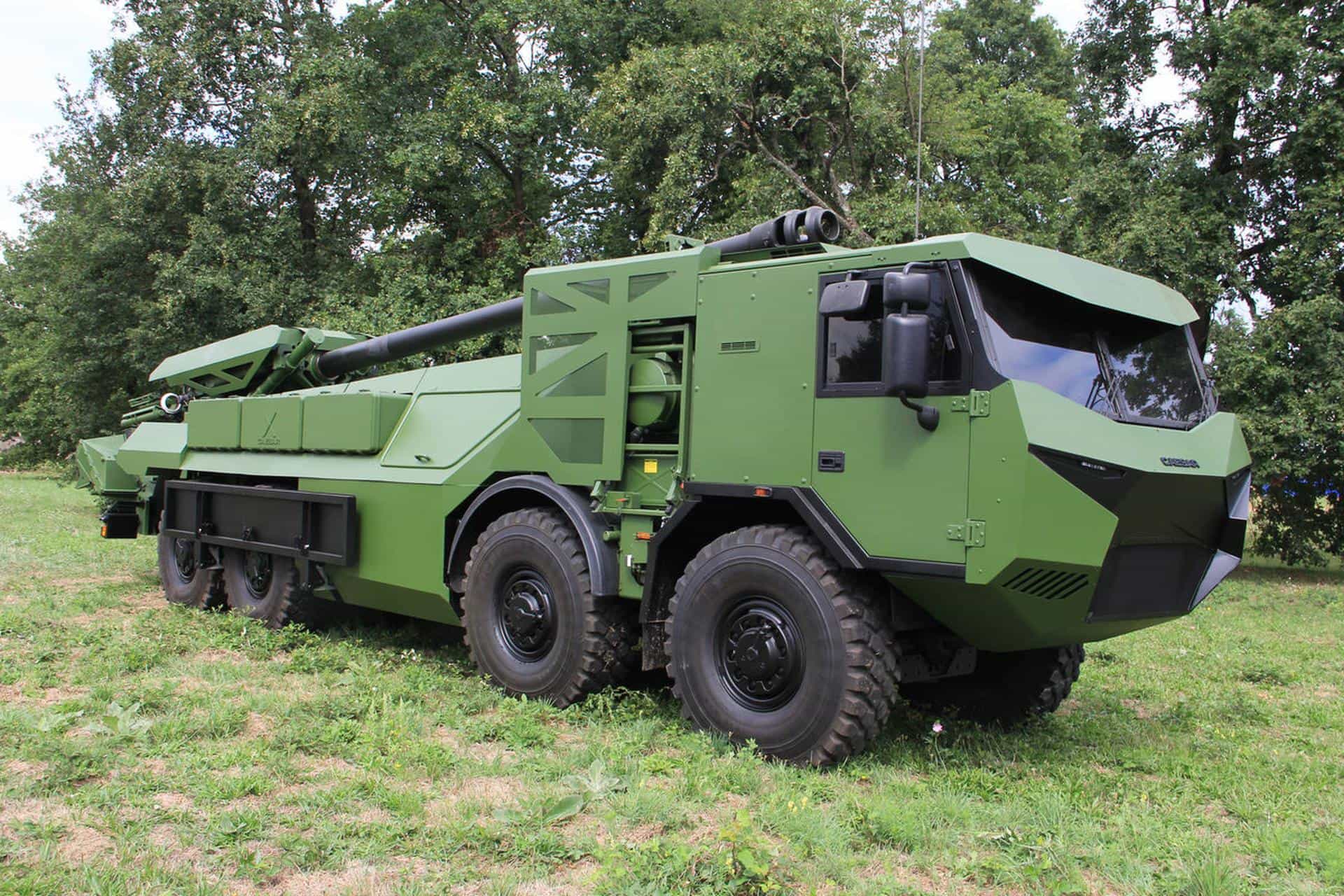
France to send more mobile artillery to Ukraine
France will ship 12 more Caesar truck-mounted howitzers and fresh air defence equipment to Ukraine to bolster the fight against...