Saturday, April 4, 2026
  • About us
    • Write for us
    • Disclaimer
    • Terms of use
    • Privacy Policy
  • RSS Feeds
  • Advertise with us
  • Contact us
DefenceTalk
  • Home
  • Defense News
    • Defense & Geopolitics News
    • War Conflicts News
    • Army News
    • Air Force News
    • Navy News
    • Missiles Systems News
    • Nuclear Weapons
    • Defense Technology
    • Cybersecurity News
  • Military Photos
  • Defense Forum
  • Military Videos
  • Military Weapon Systems
    • Weapon Systems
    • Reports
No Result
View All Result
  • Home
  • Defense News
    • Defense & Geopolitics News
    • War Conflicts News
    • Army News
    • Air Force News
    • Navy News
    • Missiles Systems News
    • Nuclear Weapons
    • Defense Technology
    • Cybersecurity News
  • Military Photos
  • Defense Forum
  • Military Videos
  • Military Weapon Systems
    • Weapon Systems
    • Reports
No Result
View All Result
DefenceTalk
No Result
View All Result
Home Defence & Military News Defense Geopolitics News

National Sovereignty: NATO and the EU’s Fatal Weakness

by Lexington institute
May 4, 2012
in Defense Geopolitics News
2 min read
0
Smart Defense Initiative Is NATO’s Last Chance To Stay Relevant
14
VIEWS

Today, it is no exaggeration to say that the fate of two of Europe’s — really the world’s — greatest collective organizations of nations hang by a proverbial thread. Having successfully ended the Gaddafi regime in Libya, but at the price of revealing to the world its fundamental weaknesses in will, wallet and the means of war, NATO must now demonstrate its ability to address these deficiencies or risk a fundamental Trans-Atlantic breach.

The European Union (EU) is equally beset by difficulties that call into question its relevance and even viability. Last week, the Dutch government collapsed as a consequence of its attempt to meet the EU’s target for budget deficits reducing spending and raising taxes. The French presidential election, about to enter its final phase, has been a referendum on that country’s support for the EU’s fiscal stability pact. Anti-EU sentiment in Europe is rising.

Much and perhaps most of NATO and the EU’s current travails can be traced to the same basic flaw: national sovereignty. Both organizations have elaborate consultative and rule-making structures. NATO has a unified command structure. There is even a European parliament. Yet, the central fact that determines the way both organizations function — or in this case fail to do so — is that their members retain their sovereign rights as independent states.

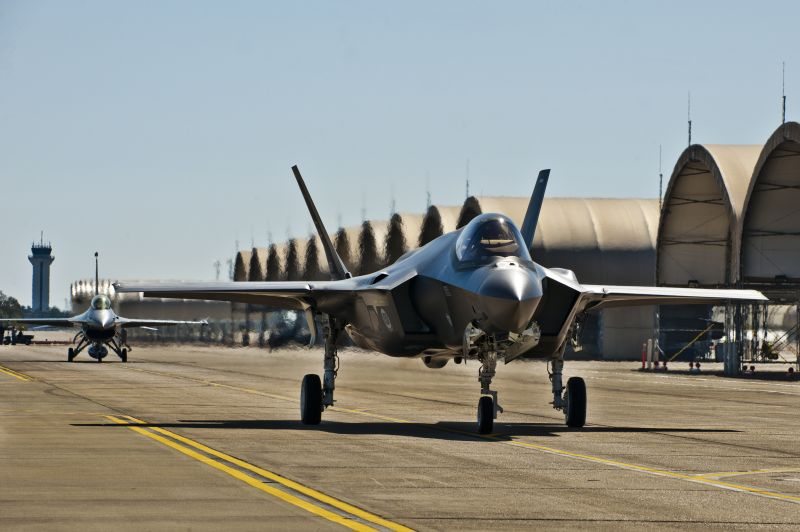
NATO without the United States spends nearly $300 billion a year on defense and maintains some 1.6 million men under arms. This should be enough to produce a military of enormous power. But such is not the case. As the conflict in Afghanistan and the air war over Libya demonstrated, NATO has spent its money poorly, buying too much of some capabilities and not enough of others. On occasion, as when it decided to acquire and operate a fleet of AWACS aircraft or, quite recently, five Global Hawk Block 40s, NATO can a make good collective investment decision. The same can be said of the international consortium to acquire the F-35 Joint Strike Fighter which includes a number of NATO members.

But most of the military forces the Alliance has are the result of decisions by individual countries. Rather than this being seen as a serious problem for the Alliance, its members view the exercise of national sovereignty in ways that do damage to the collective security of all members as something in which to take pride.

The EU’s current problems are a consequence of protecting its members’ individual rights, particularly the right to cheap money and to mishandle their national budgets, and not mandating individual responsibility. Faced with the possible collapse of the single currency, the Union’s members cling ever tighter to their sovereignty. High debt countries have moderated their fiscal and budgetary profligacy only reluctantly and under the threat of even more dire consequences if they did not. Those countries that have managed their economies well are increasingly wondering if they should exercise their sovereign right to bail on the whole enterprise.

Supporters of both institutions will no doubt respond that if national sovereignty had not been protected there never would have been a NATO or an EU. Fair enough. However, if national sovereignty is also a fatal weakness in both, then we are all kidding ourselves about their future prospects.


Tags: EUeuropeNATOsecurity
Previous Post

Maryland Army Guard unveils newest helicopter in its arsenal

Next Post

Australia delays fighter jet project to save money

Related Posts

Israel cancels leave for combat units after Iran consulate strike

US says Iran campaign cost $11 billion in six days

March 12, 2026

The opening week of the war against Iran cost the United States more than $11.3 billion, lawmakers were told in...

Lebanon says Israeli strike kills 3 journalists

Israel strikes central Beirut as Lebanon death toll tops 630

March 11, 2026

Israel carried out a strike in the heart of Beirut on Wednesday for a second time since Lebanon was dragged...

Next Post
First flight launch means first step toward future air dominance

Australia delays fighter jet project to save money

Latest Defense News

US needs top cyber coordinator, better hacker ‘deterrence’

‘Digital fog of war’ around Iranian cyberattacks

March 13, 2026
US military says aircraft crash in Iraq killed 4 crew members

US military says aircraft crash in Iraq killed 4 crew members

March 13, 2026
Northrop Grumman moves to boost B-21 Raider output

Northrop Grumman moves to boost B-21 Raider output

March 13, 2026
US Navy evacuates virus-struck aircraft carrier Roosevelt

US military ‘not ready’ to escort tankers through Hormuz Strait

March 12, 2026
Israel cancels leave for combat units after Iran consulate strike

US says Iran campaign cost $11 billion in six days

March 12, 2026
US moves closer to retaliation over hacking as cyber woes grow

Cyberattack Disrupts Operations at MedTech Giant Stryker

March 11, 2026

Defense Forum Discussions

  • Russian Navy Discussions and Updates
  • Australian Army Discussions and Updates
  • Royal Australian Navy Discussions and Updates 2.0
  • Middle East Defence & Security
  • General Space News.
  • ADF General discussion thread
  • Royal Canadian Navy Discussions and updates
  • General Naval News
  • The Russian-Ukrainian War Thread
  • 2 Lockheed Martin KC-130J Hercules from the US Marine Corps USMC arrival at Munich Airport
DefenceTalk

© 2003-2020 DefenceTalk.com

Navigate Site

  • Defence Forum
  • Military Photos
  • RSS Feeds
  • About us
  • Advertise with us
  • Contact us

Follow Us

No Result
View All Result
  • Home
  • Defense News
    • Defense & Geopolitics News
    • War Conflicts News
    • Army News
    • Air Force News
    • Navy News
    • Missiles Systems News
    • Nuclear Weapons
    • Defense Technology
    • Cybersecurity News
  • Military Photos
  • Defense Forum
  • Military Videos
  • Military Weapon Systems
    • Weapon Systems
    • Reports

© 2003-2020 DefenceTalk.com