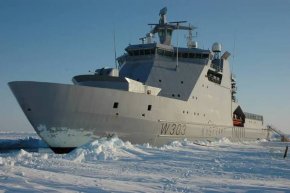
The RAN will need to learn how to sail down there first to help inform them what type of ship they would require. The RNZN found out the hard way that the ANZAC frigates had trouble handling the Southern Ocean and suffered damage doing so from the wave action. Significant wave height down there is greater than thought and allowed for in the design parameters. It is greater than what is used in the current Polar Class specifications which are based on the North Atlantic high latitude wave climate. 10m seas are common, 20m seas frequent and 25 - 30m seas regular occurrences. So she's more than your average just a little bit of roughers.
WRT rest of the article, the current Antarctic Treaty expires in 26 years (2048) there will be a rush by nations to establish "facts on the ground" prior to the negotiations for a new treaty begin. Some nations will be more avaricious than others and I would not be surprised if military forces would be inserted to back up any claims, even though that is forbidden under the current Treaty. Certain nations have made a habit of paying lip service to Treaties. I would suspect that the period from 2030 - 35 will see the beginning of this.
How Australia reacts to this is for it to decide, but I do note that it has at least one CP station within it's claimed Antarctic territory. If you pursue that claim and enforce it then you will have to evict the PRC from your territory. I suspect that they will not have a sense of humour about that. NZ will undoubtedly have similar issues because we do have a large claim down there as well.
Would you agree that it is in Australia and New Zealand's interests to maintain presence in the Southern Ocean which is commensurate to their respective claims? It's an area which I could see a joint approach working quite well.