Some animals are more equal than others...
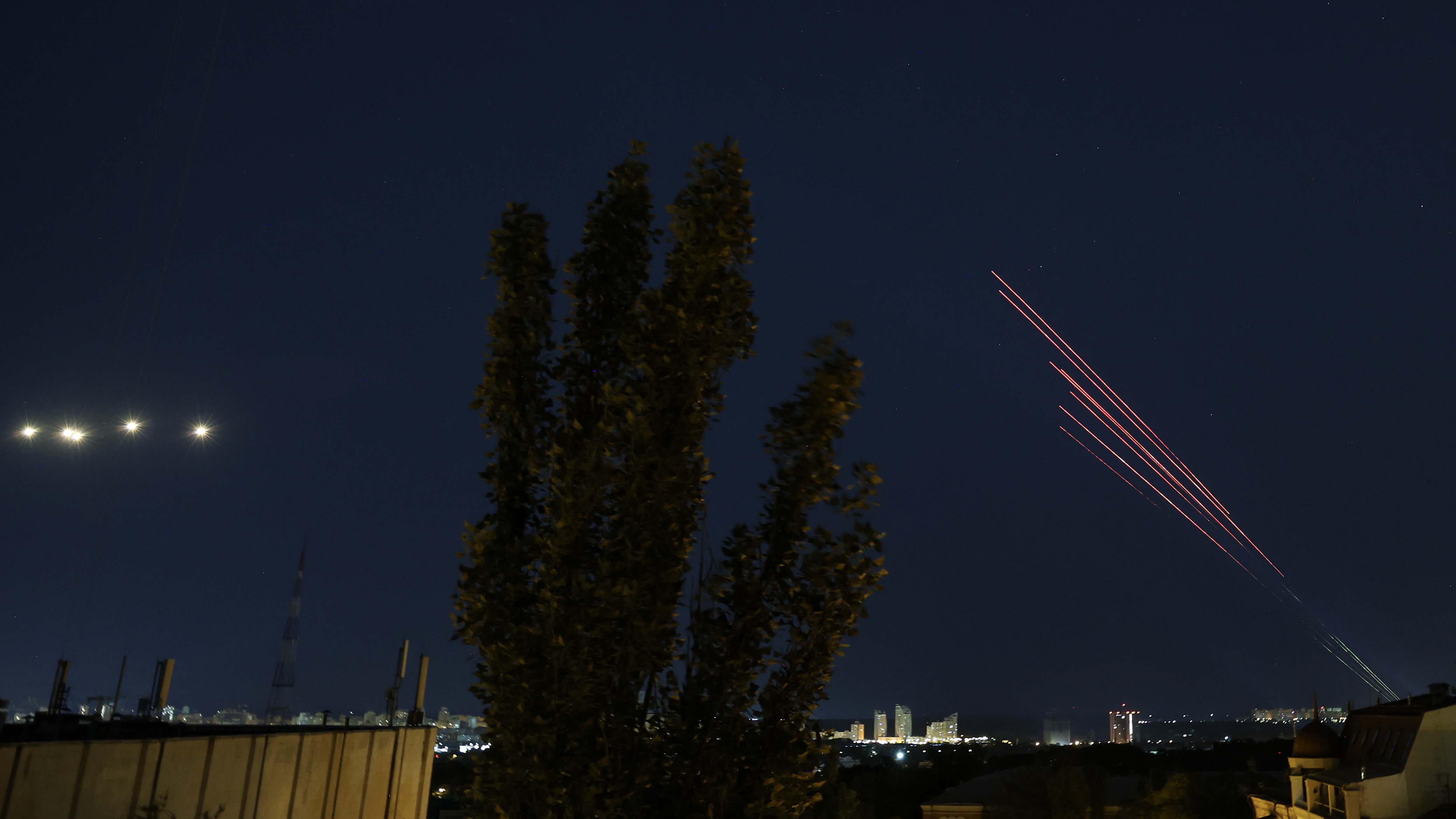
Ukraine intercepts 90% of Russian drones... Western sources based on Ukrainian reports/claims. CSIS
-At the same time...
Many claims about production increases and capability gains—presented by the authors of this report, as well as found in relevant Western analyses—rely on Russian official or state-linked sources and should be treated with caution, as such figures are most likely overinflated, selectively reported, and/or politically motivated.
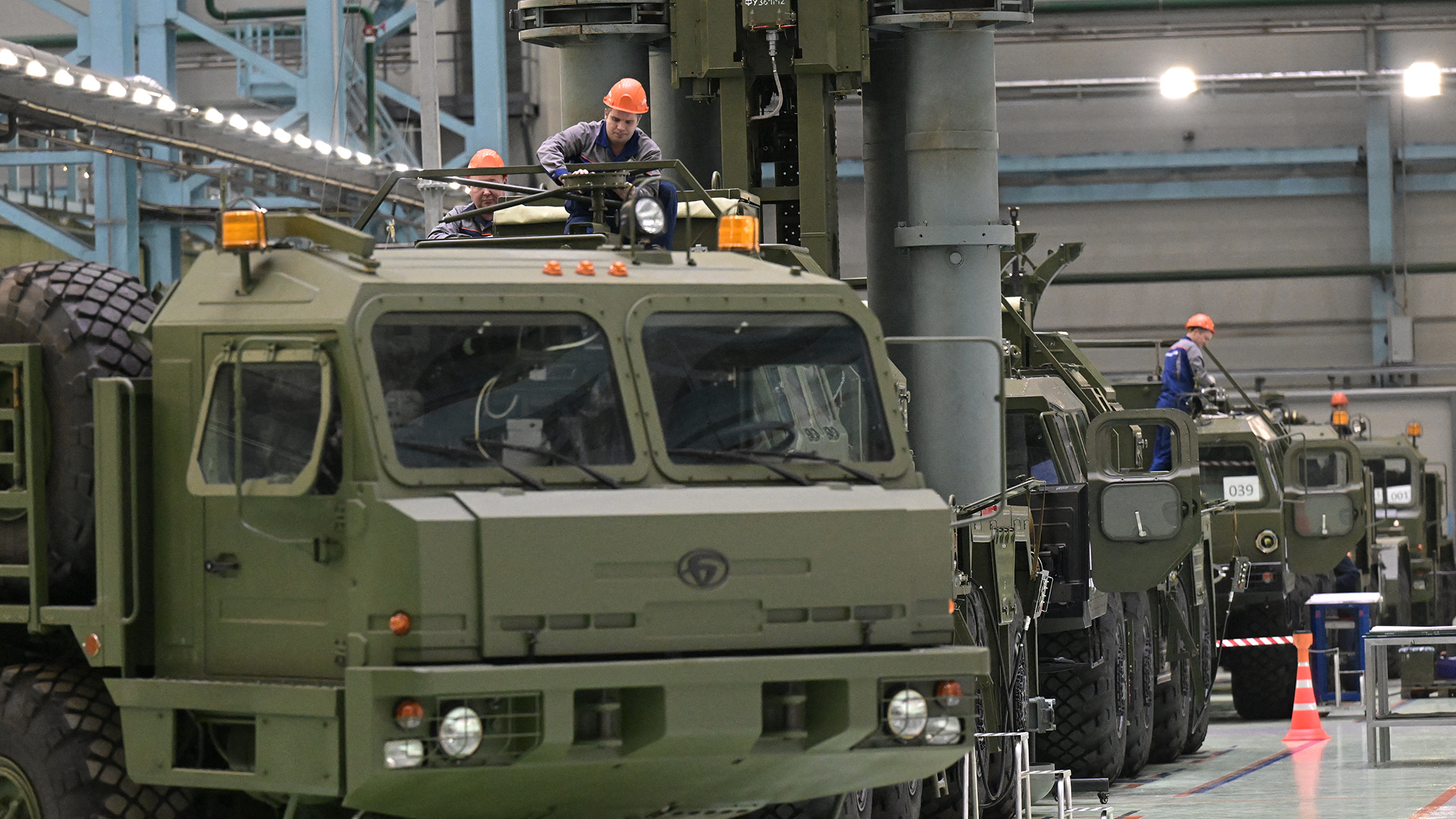
After four years of war, Russia’s defense industrial base has significantly reshaped, creating an asymmetric threat to NATO: It can rapidly scale production of weapons proven on the battlefield, combining Soviet-style resource allocation with selective market mechanisms.

www.csis.org
-Also CSIS...
Ukraine is executing strategic attacks against Russian energy infrastructure designed to impose economic costs and fracture elite support for the Kremlin.
-But...
Russia’s firepower strike strategy operates as
a deliberate punishment campaign designed to substitute for stagnant ground offensives by breaking the political resolve of both Kyiv and its international backers. By launching large salvos of ballistic missiles and drones against critical infrastructure, Russia seeks to exhaust Ukrainian air defences and inflict paralyzing psychological strain on the civilian populace.
The war in Ukraine is now a race between two competing, attritional theories of victory. While Ukraine is focused on maximizing drone production, high payoff deep strikes to hold Russia’s oil and gas, Moscow is trying target critical infrastructure and major political and economic centers like...
www.csis.org
The appearance of Russia’s first domestically commercialized photolithography system (Progress STP-350) is rapidly emerging as a strategic development extending far beyond semiconductor manufacturing because it directly intersects with sanctions warfare, military resilience, and the future balance of technological power.
Russia is using old ASML machines to make microchips that are essential for the Russian war industry, Trouw reports based on its own research.
-Russia has its own road map, neither for Gripen nor for Patriots, but to mass-produce chips using 28 nm process technology by 2030.
Russia’s new Progress STP-350 photolithography machine could reshape military technology sovereignty and challenge Western sanctions strategy by enabling domestic production of radiation-resistant chips designed for missiles, radars, aerospace systems and battlefield operations.

defencesecurityasia.com
Anyway...
In March 2022, the Main Intelligence Directorate of Ukraine (HUR) reported that corruption had left Russia’s stored armoured vehicles and other equipment in “extremely unsatisfactory condition.”
-Just imagine what they could had done with Ukrainian corruption...
Kharkiv’s Malyshev Plant remained Ukraine’s main tank producer.
-I always miss the contrasting of whatever data (claims) they have...
President Zelensky announced that Ukrainian forces had struck 274 Russian air defence systems and radar stations in that month alone.
Some Western commentators even argued that the adeptness of Russian SAM systems such as the S-400 has reduced the effectiveness of Western long-range strike weapons.
-That would be the opposite of contrasting...
Remain vulnerable to mass saturation by lower-cost Ukrainian drones when combined with what Ukrainians have called “intelligence for identifying blind spots, route planning, and appropriate tactics.”
-Not when they are Russian drones, apparently...
These Ukrainian strikes and reconnaissance activities have the ability to disrupt Almaz-Antey’s operations and impact production numbers.
-I am going to guess that the same already happened to Ukrainian production (of Patriots and the FP7X)...
KRET expanded alongside Russia’s post-2014 military buildup and import substitution policies. Its success in securing domestic contracts stemmed in part from developing substitutes for Western and Ukrainian electronic components restricted by sanctions.
-Not a new problem, jus a big one; and, again, “trench” EW systems...
In response, a growing range of counter-UAV systems have emerged. Ukrainian sources report that some Russian drones are now being outfitted with their own jamming technology to detect and scramble the video feeds of Ukrainian interceptor drones.
-But Ukraine is destroying them, anyway. Sapphire, Multik, Saniya... It's hard to keep up to date with names, just imagine the counter-countermeasures.
While falling behind in the frontier AI race, Russia is well positioned to leverage available technologies (often imported from China) for targeted military applications.
-Unlike Ukraine, where all technologies are self-developed and produced. It is not that easy to forget that it is
against Russia, not
for Ukraine...
The sector depends on highly skilled radio electronics engineers and operators whose training is both specialized and time intensive.
-The workforce seems to be the main issue for all the companies; but Ukraine will make 3 FP7X a day...
After four years of war, Russia’s defense industrial base has significantly reshaped, creating an asymmetric threat to NATO: It can rapidly scale production of weapons proven on the battlefield, combining Soviet-style resource allocation with selective market mechanisms.
www.csis.org
I haven't been able to finish the report, but maybe Feanor can provide some input about how accurate it is.


 ), pose with a few downed drones, and your job is safe.