
John Fedup
The Bunker Group
Could the region location be responsible for the varying opinions about UNESCO?


2. It's not about Israel. The very structure of the UNHRC is made to facilitate scapegoating and deflection. It is populated by a majority of serious human rights violators, which almost never get condemned in any way.Are the UNHCR & UNESCO doing more harm than good? That's debatable and it depends upon where you sit in the room doesn't it. Some people will have a particularly jaundiced view of it because them doesn't they don't fit into their political world view or bend to their political will. For example US right wing conservatives, the Israeli far right, the CCP, and various far left wing organisations around the world. It doesn't help that some UN members with hold their annual dues and payments for political reasons. Both those two organisations do good on the the ground where they are most needed. That's what is important.
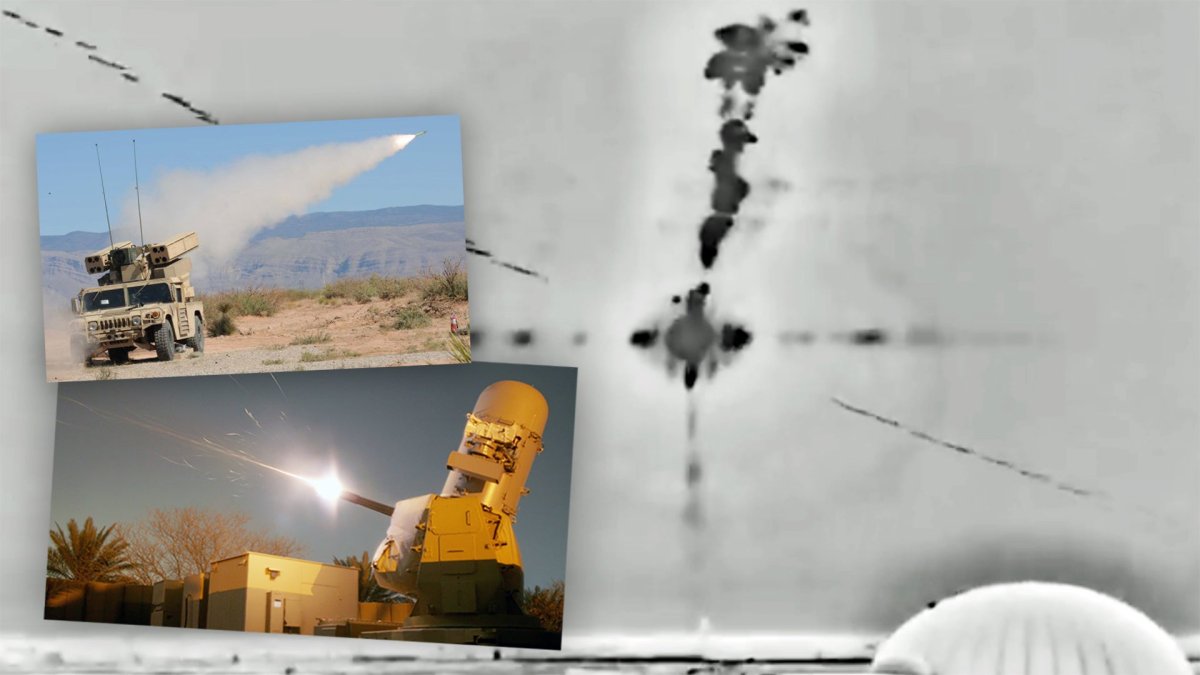
 www.thedrive.com
The very structure of the UNHRC is made to facilitate scapegoating and deflection. It is populated by a majority of serious human rights violators, which almost never get condemned in any way.
9. The UNHRC works as an aggregator for money and activities. Therefore it will always have some activities and some money, the latter donated by all UN members. They all donate willingly of course, each to how much they agree to donate.Nonetheless there have been refugees/displaced persons who have benefited from assistance provided by UNHRC; for them it made a big difference.
In a lot of cases literally the difference between life and death.

 breakingdefense.com
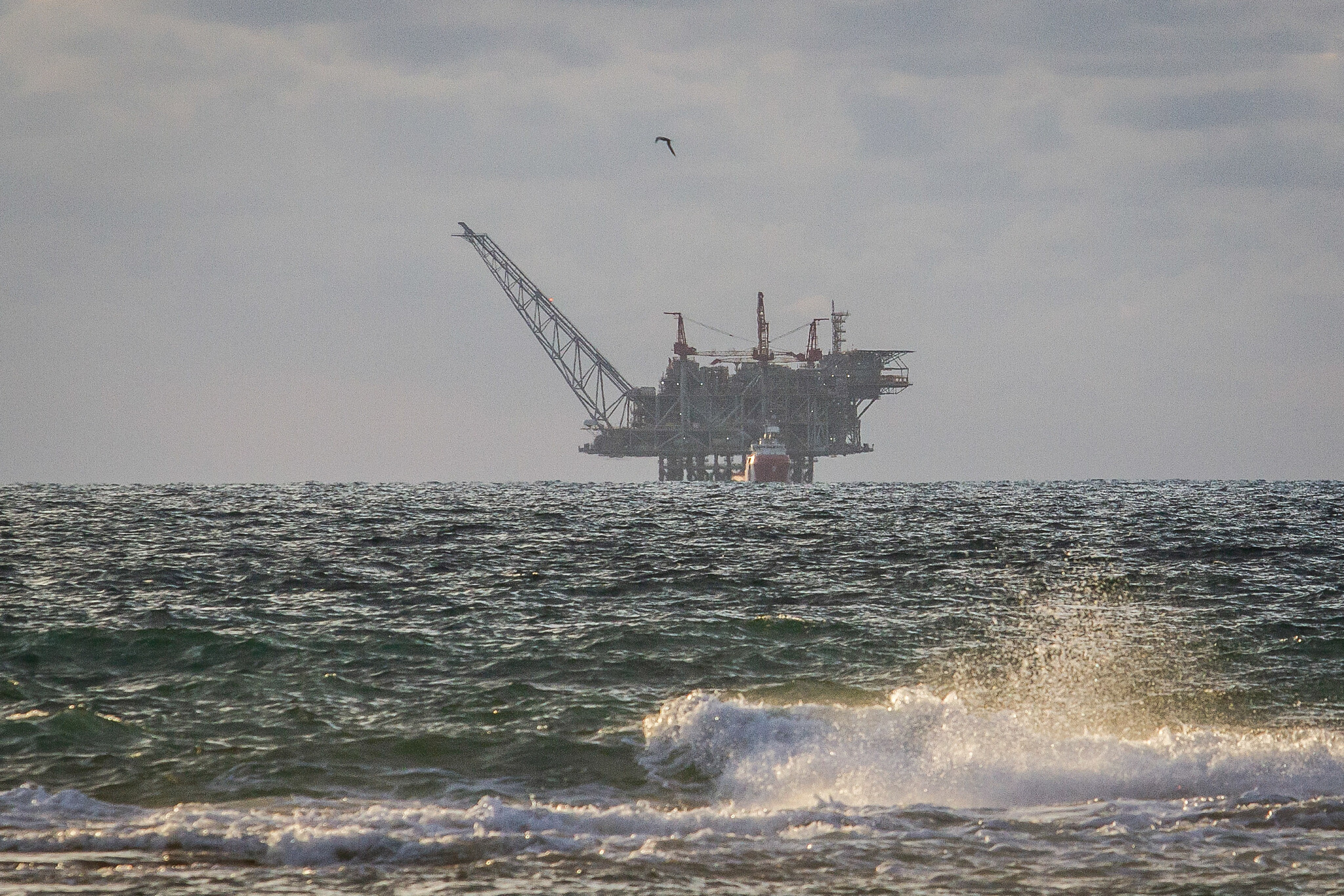
 www.timesofisrael.com

 m.jpost.com
 m.jpost.com
 www.thedrive.com

Iran attacks its neighbors directly, knowing full well that they are close enough to retaliate strongly. It does so, because of its perception that they are weak and so it has more to gain than lose.
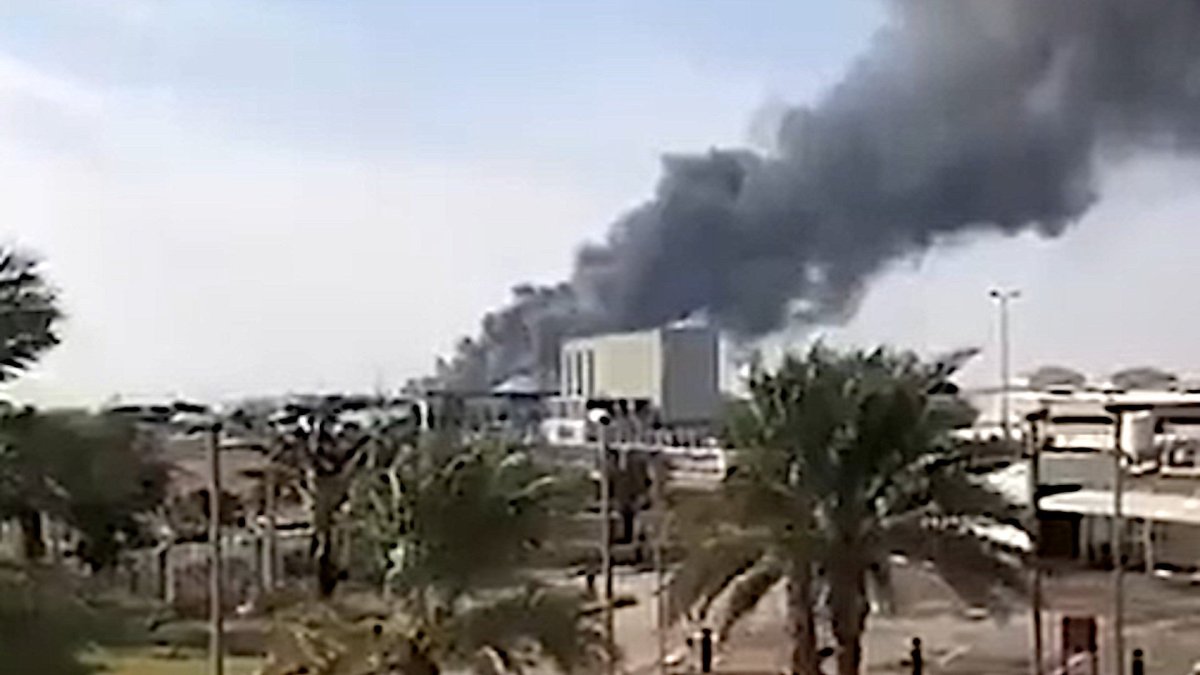
Drones Suspected In Yemeni Rebels' Multi-Target Attack On UAE (Updated)
This is the first official confirmation that the Yemeni rebel group has struck inside the UAE.
Its talks with UAE are a farce. Iran has no intentions of having peace with it, nor with Saudi Arabia, or anyone else in the region that isn't easy to subdue.
In this region countries understand strength. Not just military strength but political one. A country that isn't consistent in its policy will quickly make enemies.
With its political stumble with Iran, its dealings with China, and faded prospects of an F-35 buy, the UAE appears to be a less reliable ally than its reputation has shown only a year ago.
It vowed to respond harshly against Iran. The severity of its response will be a determining factor of its balance with Iran.
Deterrence is the best peacemaker, and since the UAE has more to lose than Iran, it doesn't have many choices here.

Is that even remotely possible? Houthis are winning some battles but they do not have this capability to conquer all of Yemen (see these maps). The maps of Yemen on the front-lines and religious divide tells me it is impossible for one group to rule alone.It has been my impression for some time that this is the endgame for both Iran and the Houthis, a complete victory, and a total expulsion of the Saudi coalition from Yemen.
It has been my impression for some time that this is the endgame for both Iran and the Houthis, a complete victory, and a total expulsion of the Saudi coalition from Yemen.
Is that even remotely possible? Houthis are winning some battles but they do not have this capability to conquer all of Yemen (see these maps). The maps of Yemen on the front-lines and religious divide tells me it is impossible for one group to rule alone.
Just because 3 people were killed and 6 were injured after a Houthi drone attack on the UAE does not mean the surrender of Saudi or UAE interests in the outcome of war in Yemen — it’s a pin prick attack in the greater scheme of things.
If the Saudis and UAE don't withdraw support, they will continue to bleed, including at home. If they do withdraw support, the Hadis could face total collapse.
There is too much at stake for them to withdraw without a face saving formula. Withdrawing will be politically damaging; an admission that they have failed and will further embolden the Iranians who already have the upper hand in Iraq and Syria.
There's a point at which they lose too much. Where is that point? How many costs/casualties are they willing to incur?
Agreed. It is possible that this point may be reached in the future; and if it does, Iran would have 'won' in this proxy war. But the costs incurred by Iran (up to this point), is also substantial. All parties seem to lack the prospect of an end-game — ultimately, hard power has real consequences in the Middle East.There's a point at which they lose too much. Where is that point? How many costs/casualties are they willing to incur? There has already been a distinct shift in the manner of Saudi involvement, and it has much to do with minimizing direct costs. I don't know but I'm fairly confident that point exists. Unless the Saudis are willing to make the Iranians pay similar costs, this won't end well for them.
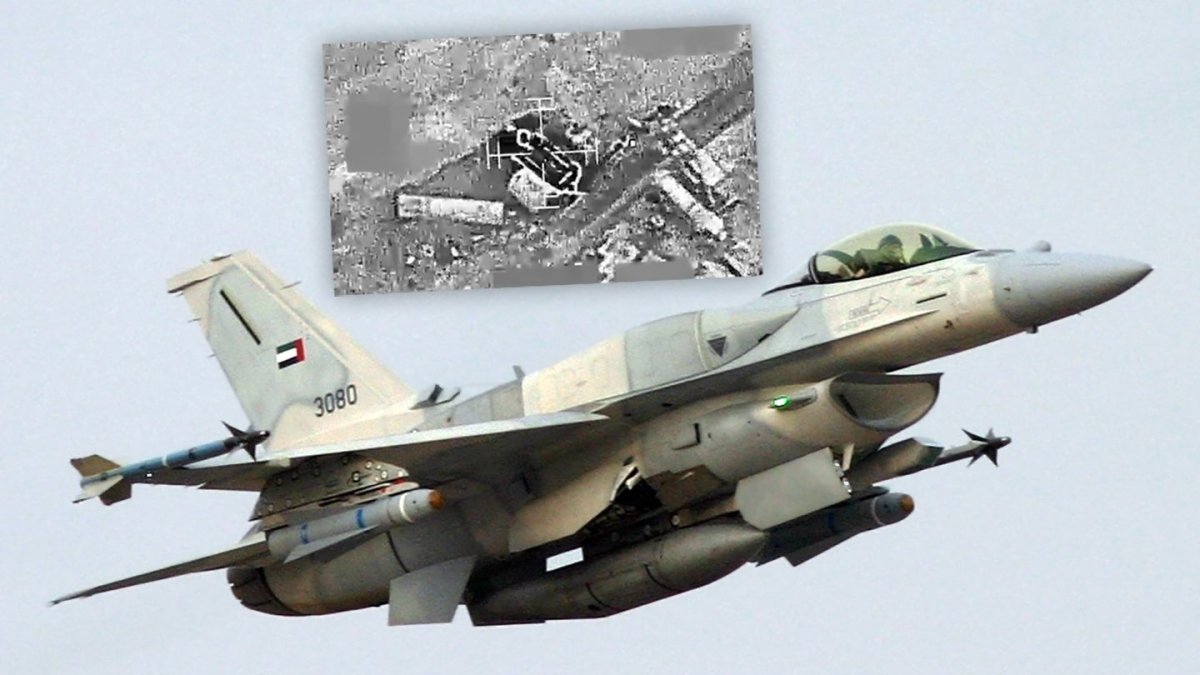
Abu Dhabi deployed and sustained a brigade-sized force in combat in Yemen for roughly five years and supported armored advances of up to 100 kilometers in that war.

 democracyparadox.com
 www.thedrive.com
 www.thedrive.com
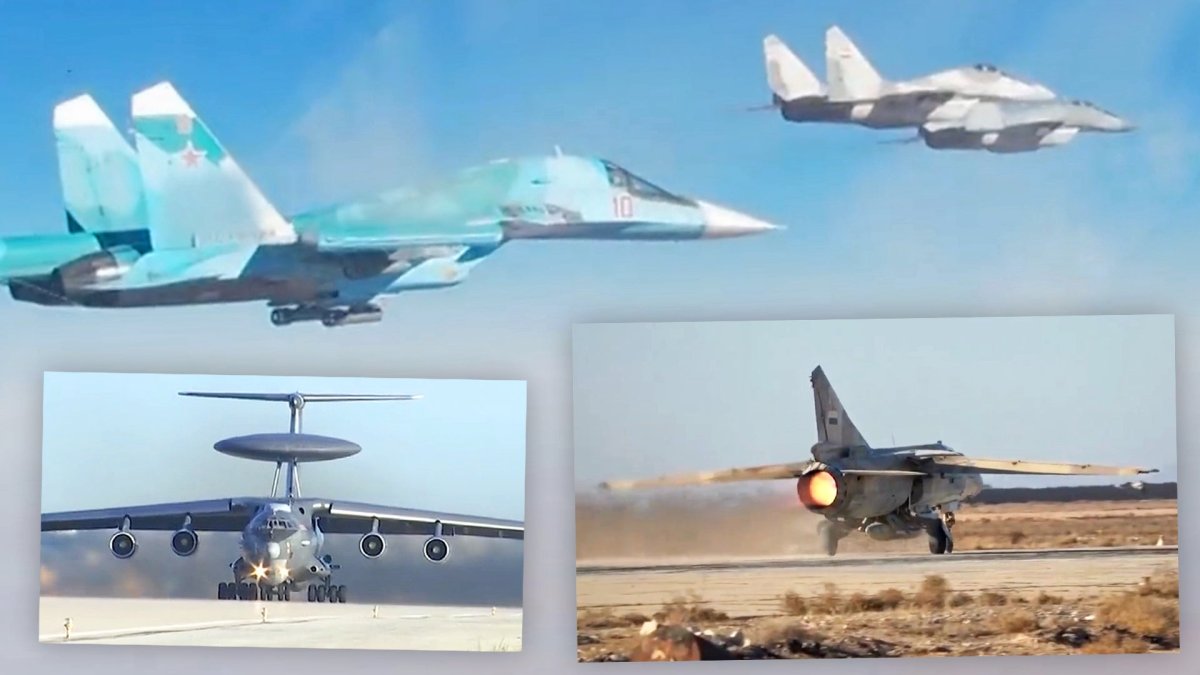
This here may be a move to reassure Assad and gain his favor, but it vastly increases the friction risk.