Articles By: Strategic Studies Institute
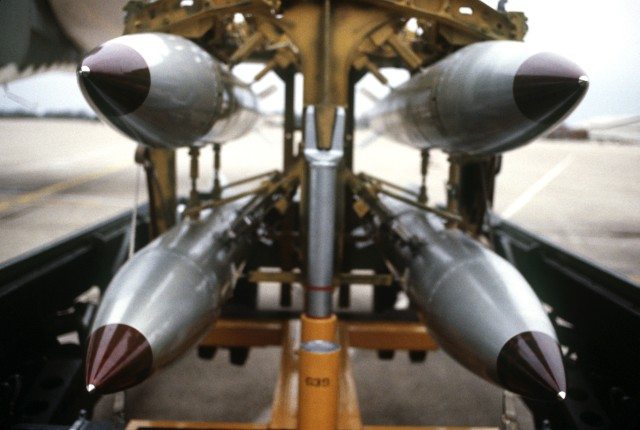
Tactical Nuclear Weapons and NATO
NATO has been a “nuclear” alliance since its inception. Nuclear weapons have served the dual purpose of being part of NATO military planning as well as being central to the Alliance’s deterrence strategy. For over 4 decades, NATO allies sought to find conventional and nuclear forces, doctrines, and agreed strategies that linked the defense of [...]
Challenge to the U.S. Army During a Defense Reduction: To Remain a Military Profession
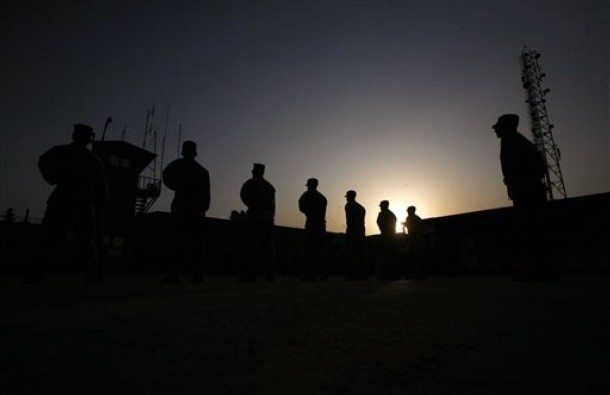
The U.S. Army has been through three reductions-in-force since the inception of the All-Volunteer Force. The first one, roughly 1972-78, actually birthed the All-Volunteer Force. The second one occurred in the late 1990s after the end of the Cold War when the U.S. Army was reduced by approximately one-third in both force structure and budget [...]
The Saudi-Iranian Rivalry and the Future of Middle East Security
Saudi Arabia and Iran have often behaved as serious rivals for influence in the Middle East and especially the Gulf area since at least Iran’s 1979 Islamic Revolution and the 1980-88 Iran-Iraq War. While both nations define themselves as Islamic, the differences between their foreign policies could hardly be more dramatic. In most respects, Saudi [...]
Chinese Lessons from Other Peoples’ Wars
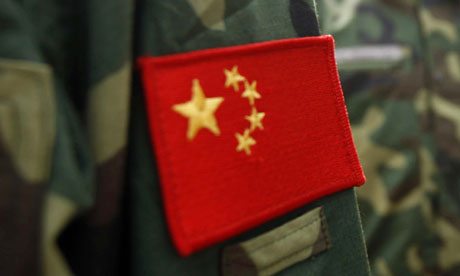
The importance of China stems not only from its current international role and its influence on the Asia-Pacific region in particular, but also because China’s impact on global developments will likely continue to grow. One of our enduring imperatives is to accurately survey China’s experiences as a means to grasp its existing perceptions, motivations, and [...]
The Mexican Military 2006-11: Adapting, Transforming, and Modernizing Under Fire
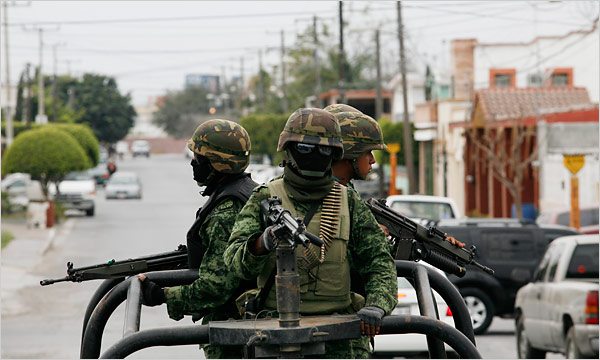
The fight of state versus non-state groups has characterized warfare in the 21st century; these last include a wide assortment of terrorists, insurgents, pirates, and criminals. Theaters of operation are as varied as the enemy, ranging from the jungles of Colombia to the mountains of Afghanistan, the coast off Somalia to cyber-space. Urban and suburban [...]
The Conflicts in Yemen and US National Security
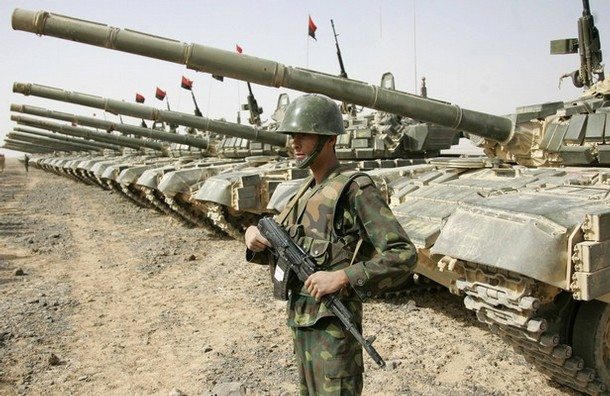
Yemen is not currently a failed state, but it is experiencing huge political and economic problems that can have a direct impact on U.S. interests in the region. It has a rapidly expanding population with a resource base that is limited and already leaves much of the current population in poverty. The government obtains around [...]
Criminals, Militias, and Insurgents: Organized Crime in Iraq
Brief Synopsis Dr. Williams looks in detail at major criminal activities, including the theft, diversion, and smuggling of oil, the kidnapping of both Iraqis and foreigners, extortion, car theft, and the theft and smuggling of antiquities. He also considers the critical role played by corruption in facilitating and strengthening organized crime and shows how al-Qaeda [...]
Mexico’s Narco-Insurgency and US Counterdrug Policy
In late 2007, the U.S. and Mexican governments unveiled the Merida Initiative. A 3-year, $1.4 billion counternarcotics assistance program, the Merida Initiative is designed to combat the drug-fueled violence that has ravaged Mexico of late. The initiative aims to strengthen the Mexican police and military, permitting them to take the offensive in the fight against [...]
Limited Armed Stabilization and the Future of US Landpower
The author takes a critical look at the mission assignment and orientation of U.S. landpower. He calls for an unconventional revolution in U.S. land forces that optimizes them for intervention in complex and violent crises of governance and security in states crippled by internal disorder. In the end, he argues that the armed stabilization of [...]